Zemo Tea Gardens
Location
Zedubani village, Imereti region
Contact Information
Zemo's page is called @zemoteagardens on Instagram, containing plenty of additional media and up-to-date details. They also have a Telegram channel and Telegram store where their teas can be purchased. It is also possible to contact Georgii Bukharov, the head of sales, directly on Telegram at +995 568 548 049; Georgii speaks English, Russian, and Georgian.
Zemo's teas are sold mainly in Europe and the US, but can also be found in Tbilisi and Batumi at the outlets of the Belarusian chain Tea Mail, who also sells their tea at a number of places across eastern Europe.
Types of Tea
Zemo offers a wide range of teas, created with a variety of techniques from leaves of different seasonality. Their product lineup is notable for the boldness of its experimentation, leading to some truly uniquely tasting teas which strongly distinguish themselves from each other and from the more classical Georgian teas.
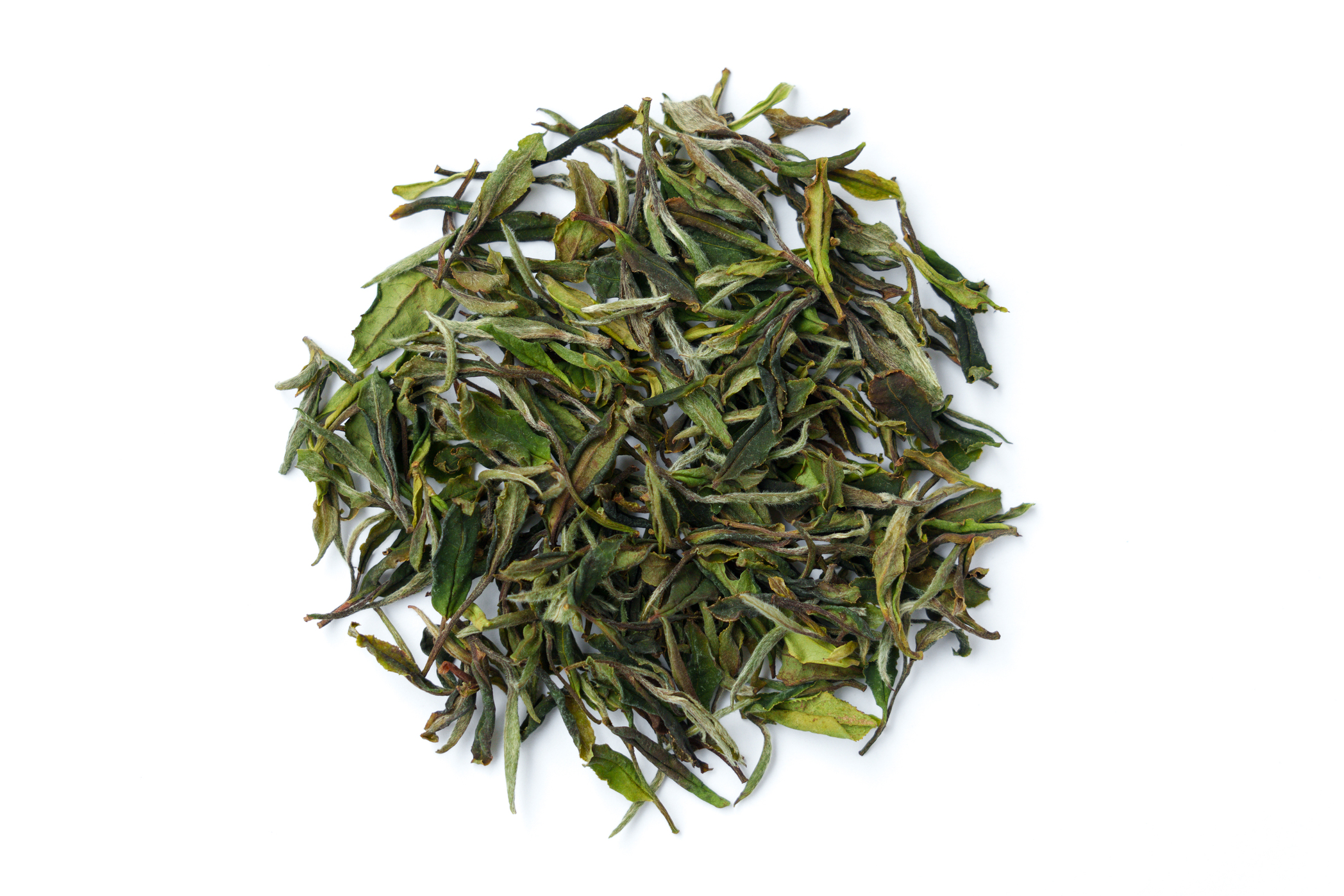
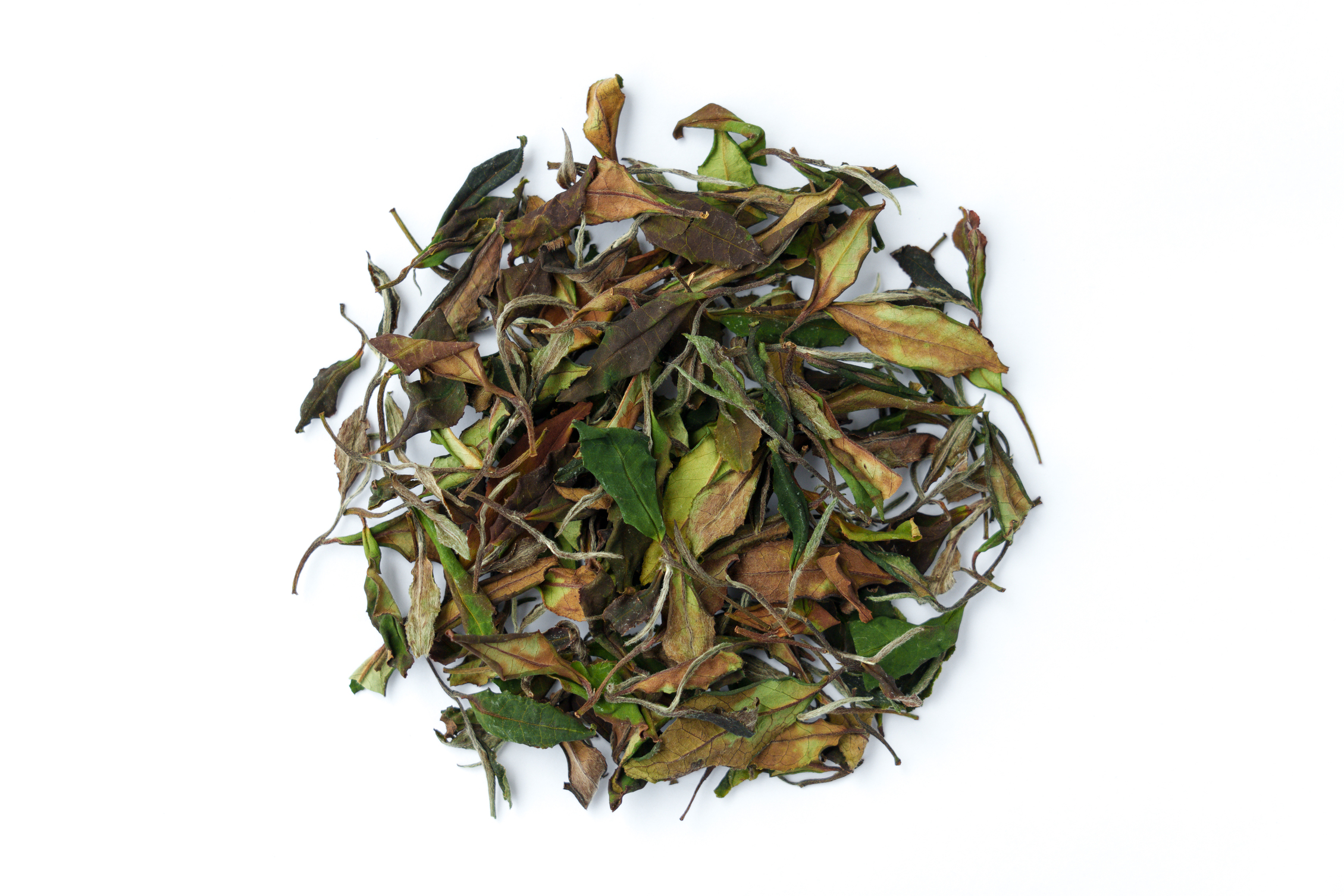
White tea
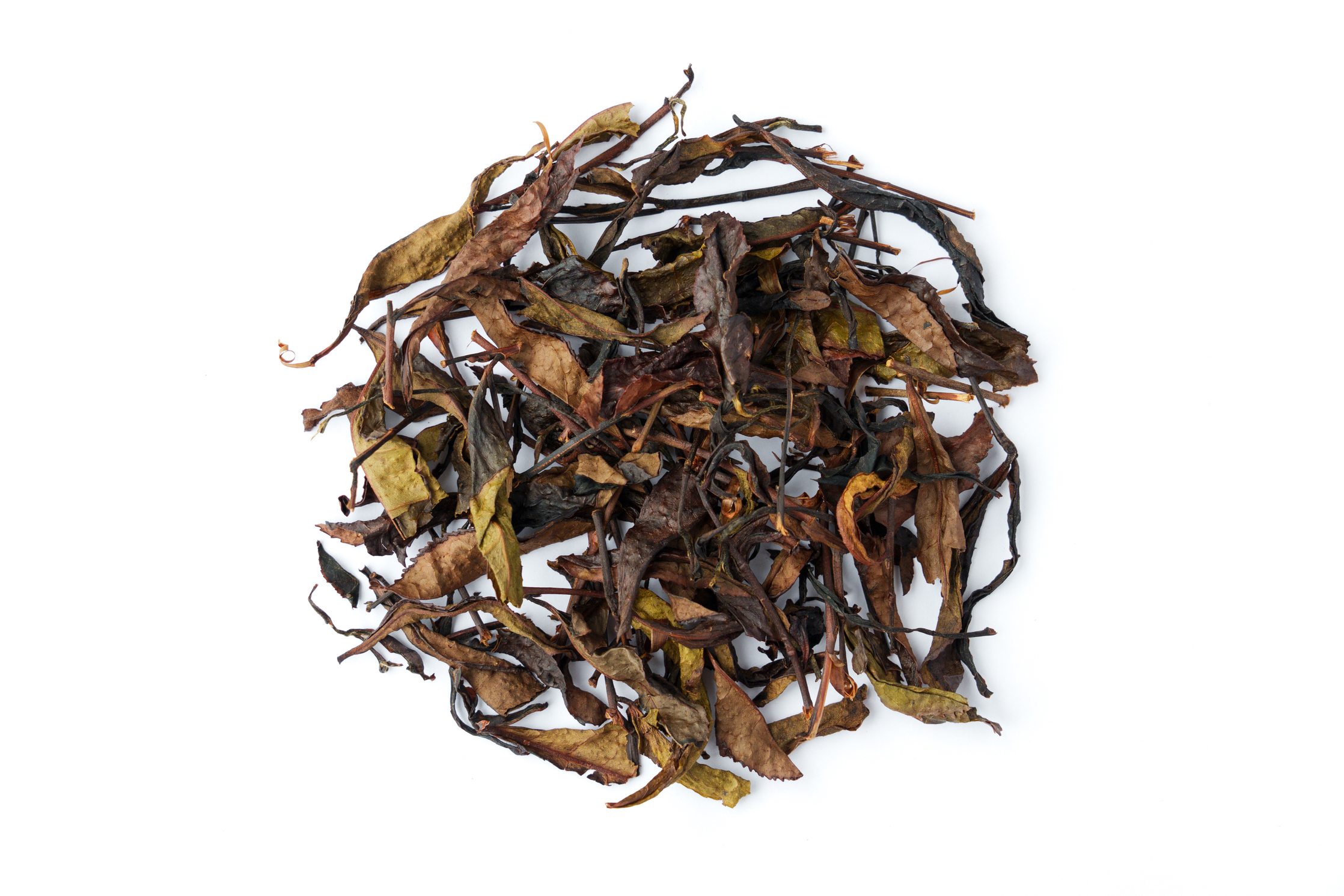
Sun dried white tea. Naturally withered by the wind passing through an outer corridor of the factory. Soft, subtle grassy flavor with a bit of dried fruits. A gently relaxing drink.
Classic white tea. Many tea makers say that the best white teas are from the year's earliest harvests, but Georgii says that one of Zemo's principles is to obey no rules. This late summer white is delicate, slightly grassy, with walnut and field flowers notes, a long lasting aftertaste, and a bright but gentle astrigency.
Green tea
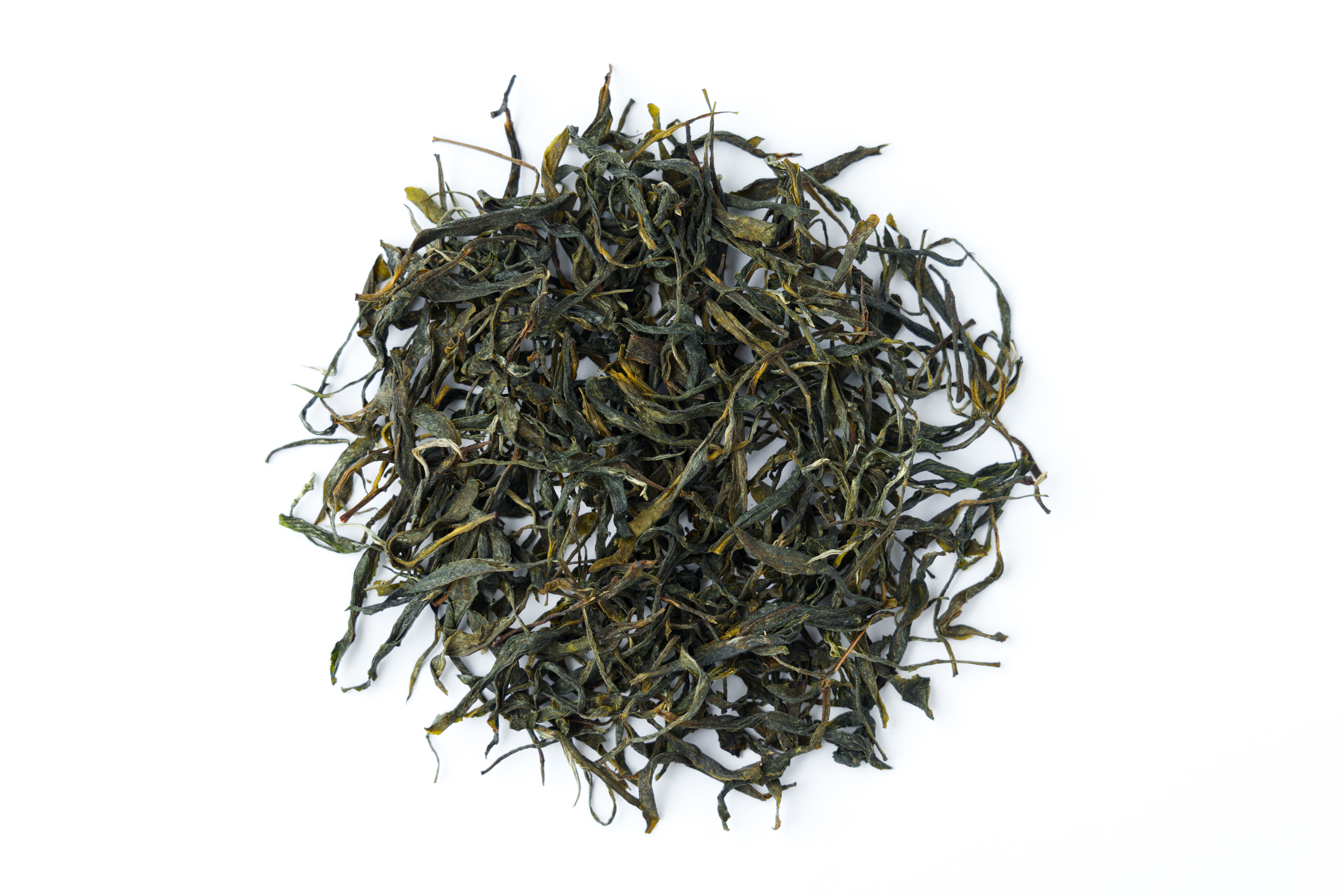
Sun sheng green tea. Sun dried. A bit more fermented than a classic green, with noticeably dark stems. Tastes of sweet herbs and dried fruits.
Classic green tea. A bold, energetic, awakening green. Rich, astringent flavor with slight bitterness and umami, holding notes of grass, green beans, peas, and pumpkin seeds.
Green tea with acacia flowers. Acacias are ubiquitous on the hills of western Georgia and make an excellent blend with many kinds of tea. This particular mix has a bright floral aroma and a sweet, fruity-floral taste, perfect for lovers of rich flavors.
Bancha. From lower-grade, late period leaves according to Japanese methods. Reminiscent of roasted pine nuts and resin. Bright, lightly astringent flavor, with a hint of brandy bitterness at the end.
Oolong tea
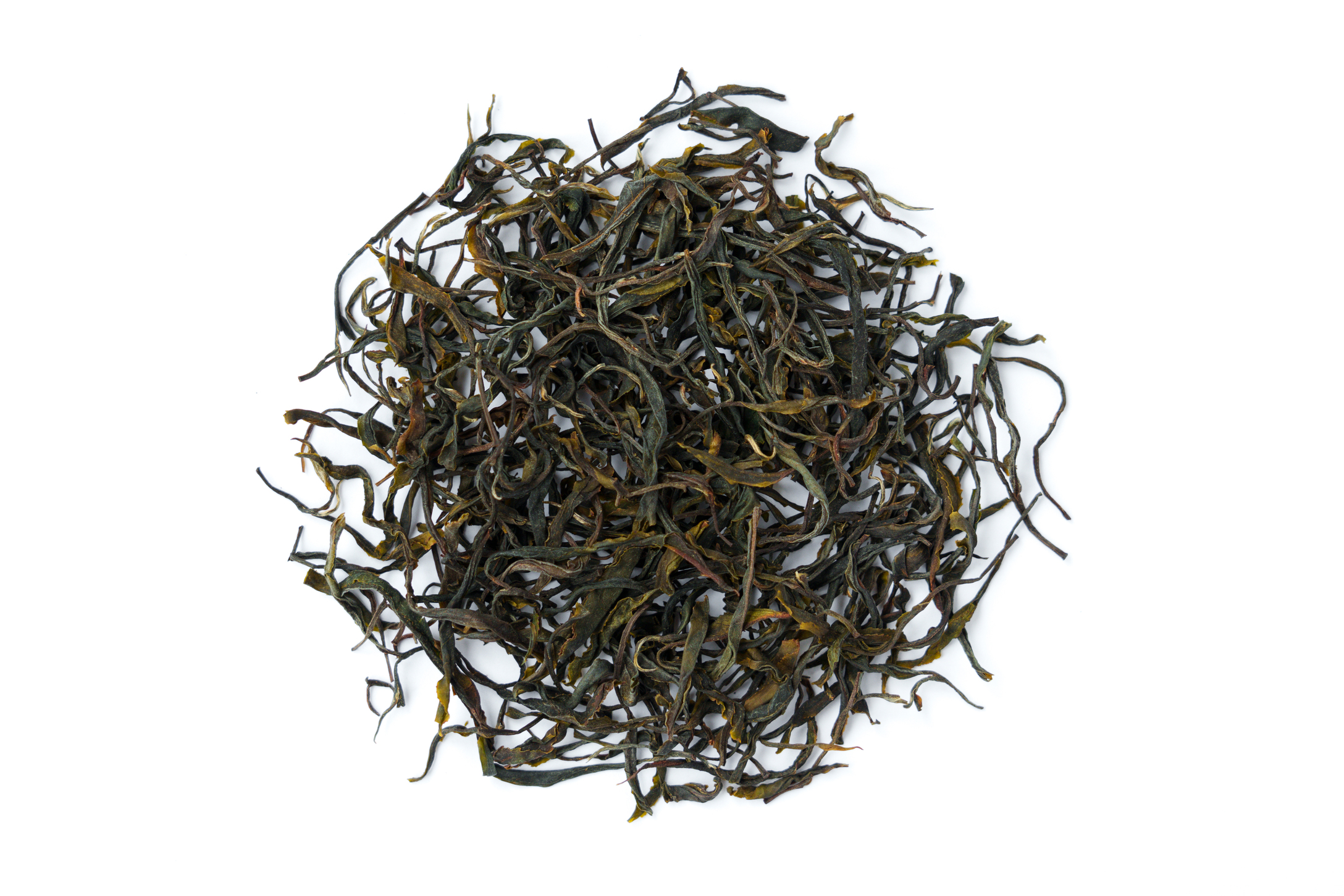
Light GABA oolong. Rich and fruity. Zemo's oolongs are its best selling product and tasting this lineup, it's not surprising – each one is full-bodied and surprising, an eminently pleasant and flavorful experience. This one constantly transforms from one rich flavor to another – sometimes sweet fruits, sometimes sour ones, sometimes something like baked goods.
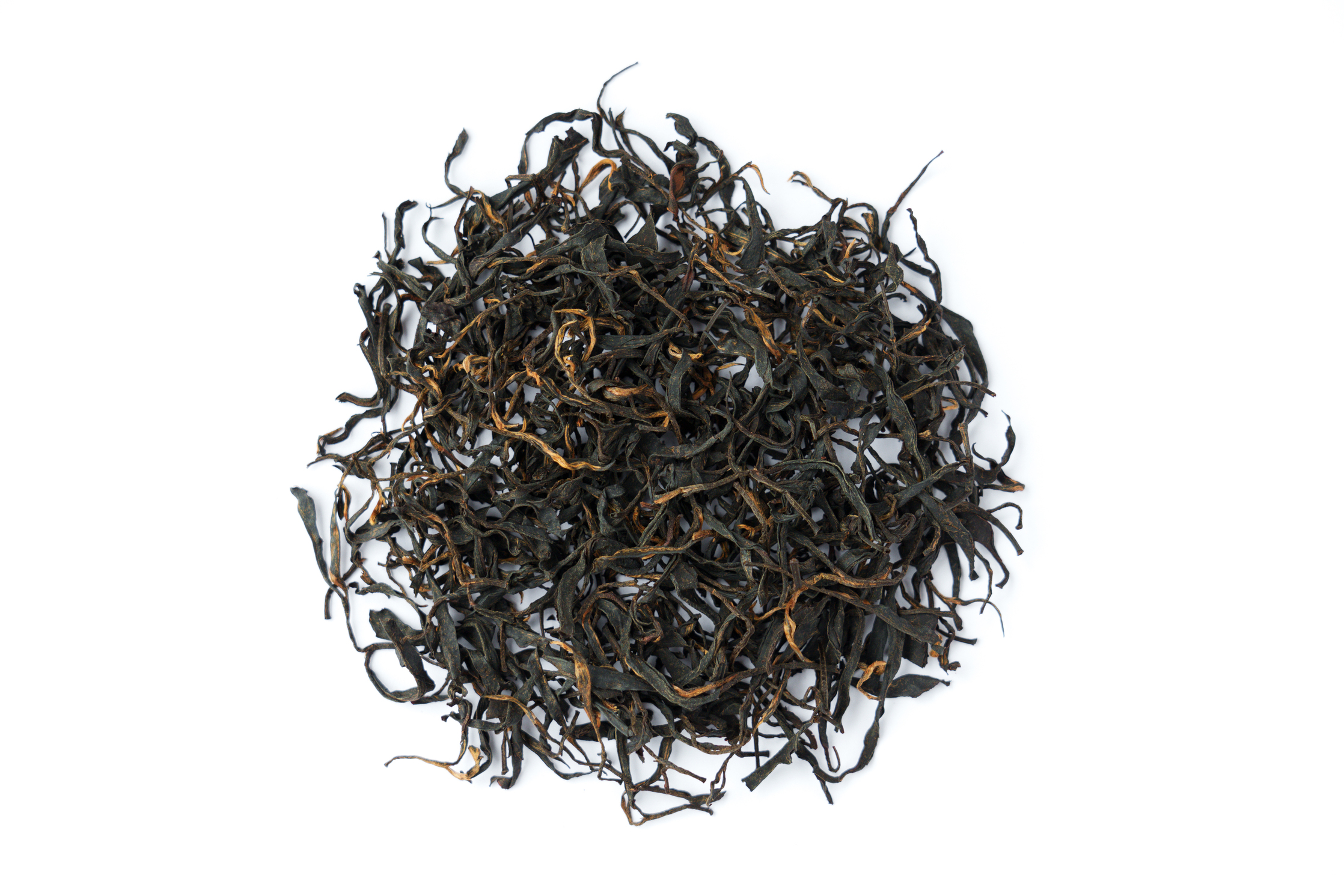
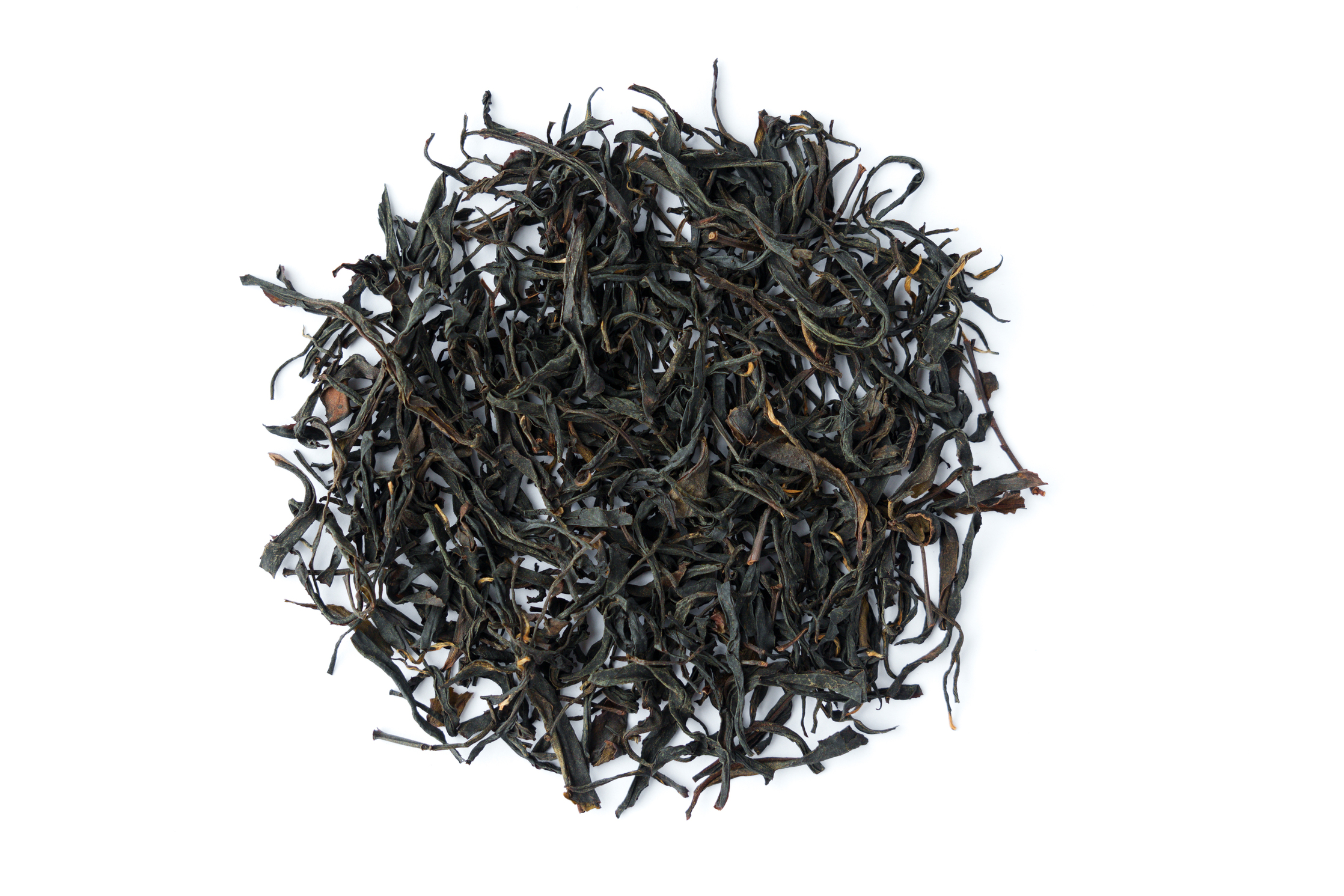
Dark GABA oolong with sticks. The only Zemo tea created from machine harvesting – they decided not to waste the results of a trimming session and found this wonder with an extra-long anaerobic fermentation. Dark, intense, complex, with almost a mushroomy overtone, and visually striking with the unusual inclusion of the tea twigs with the leaves. It seems like it shouldn't work, but it does, and splendidly at that.
Light oolong. Sweet, floral, soft, and refreshing, with very little astringency.
Dark oolong. Woody and bright, with notes of chocolate and hazel. Strong, long-lasting aftertaste.
Black tea
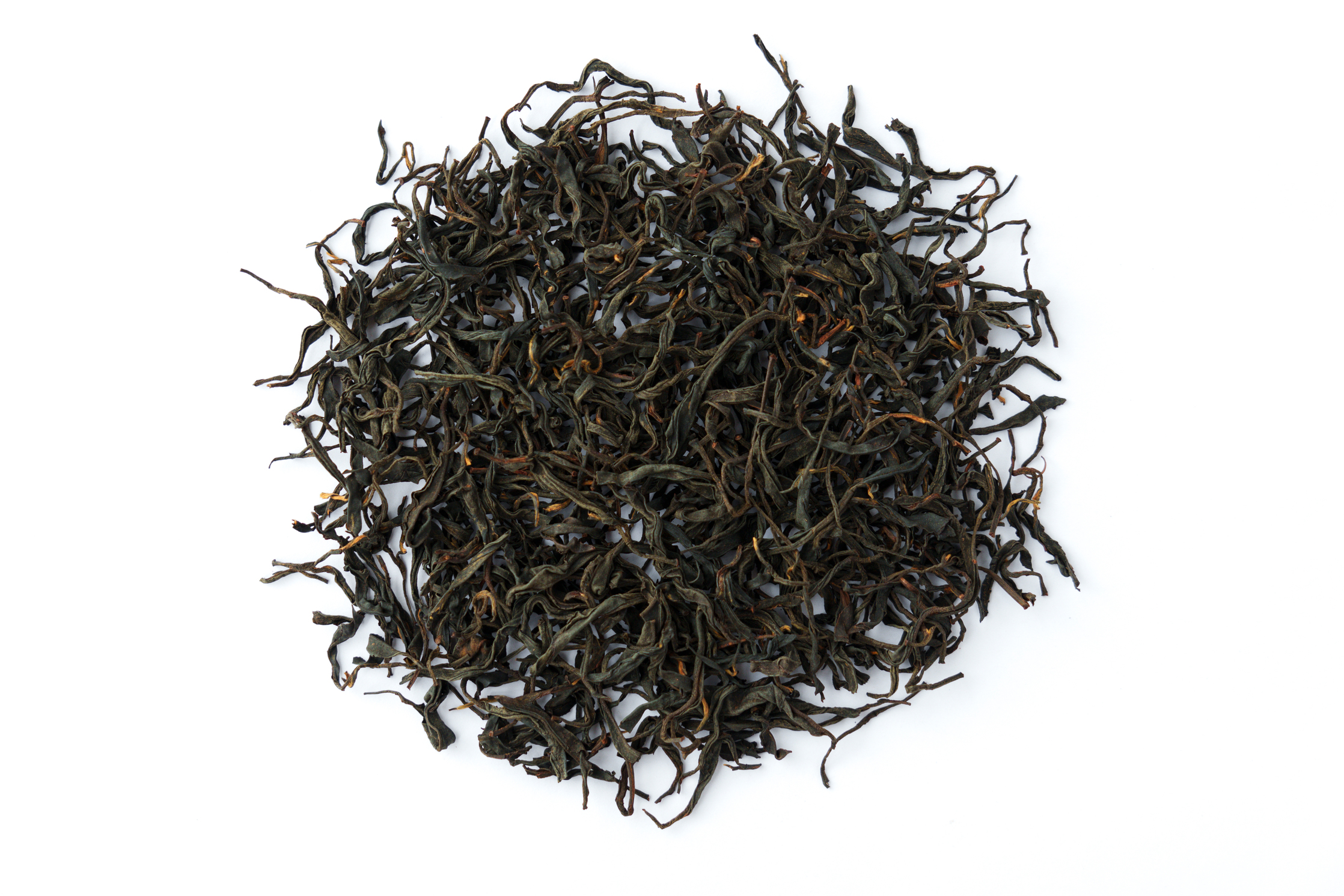
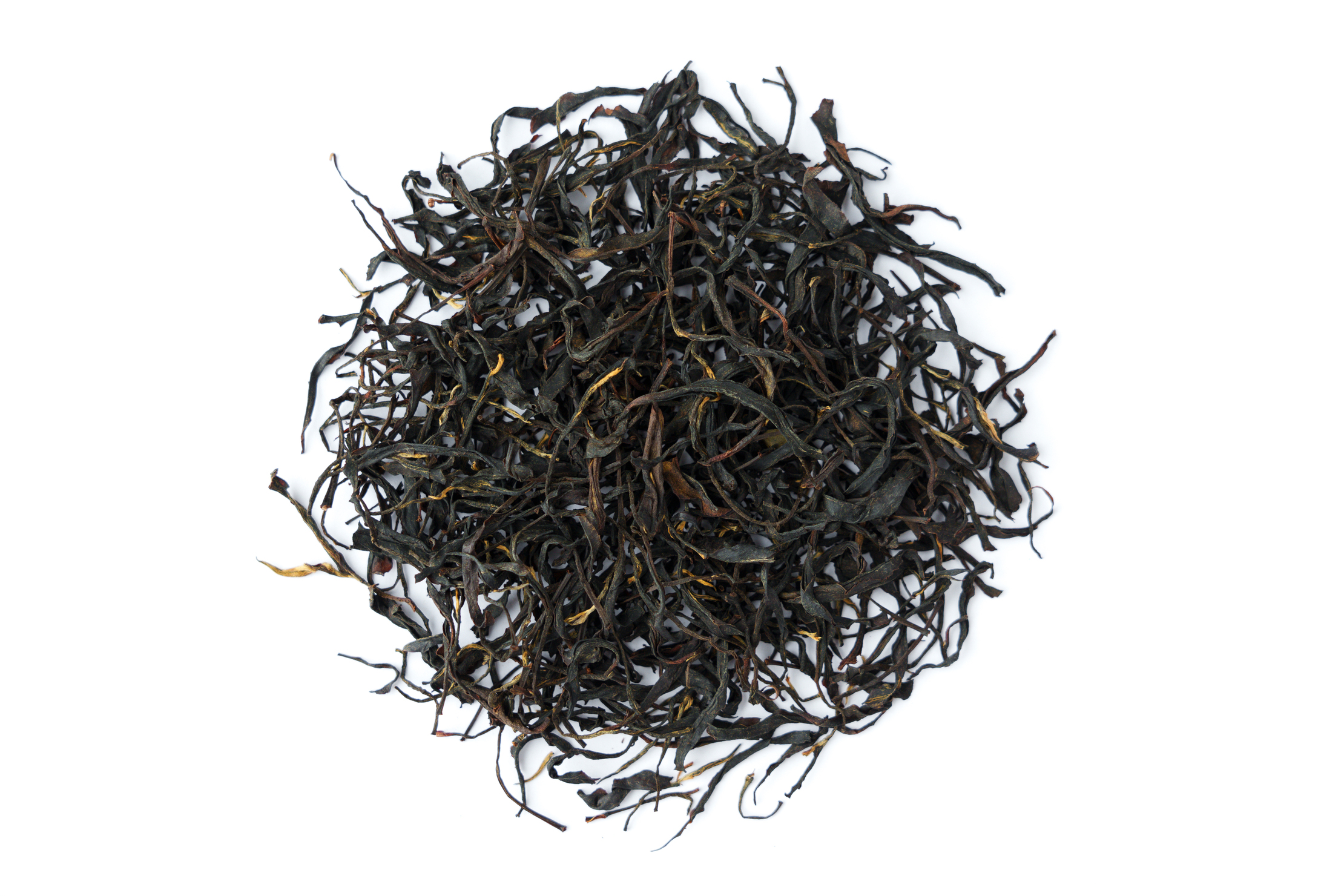
Classic black tea. Woody-spicy, slightly baked fragrance, with a smooth, moderately astringent flavor and a pleasant aftertaste.
Sun dried black tea. An intense black with notes of sour berry jam and spice. Rich, tannic, full-bodied and sweet.
Smoked black tea. Subtly sweet with a long aftertaste. Earthy and smoky like a campfire, with notes of prunes. Good for lovers of strong tea with strong flavors.
Tea tourism
Zemo is already welcoming small groups of guests for tours and tastings. Visitors can experience the entire process of making tea, from plucking leaves in the plantation to different styles of production in the factory, learning many interesting details along the way. Zemo cooperates with a small local family guesthouse for those who are interested in a longer, more in-depth experience; overnight guests are sure to be feasted in sumptuous Imeretian style.
The Story of Zemo
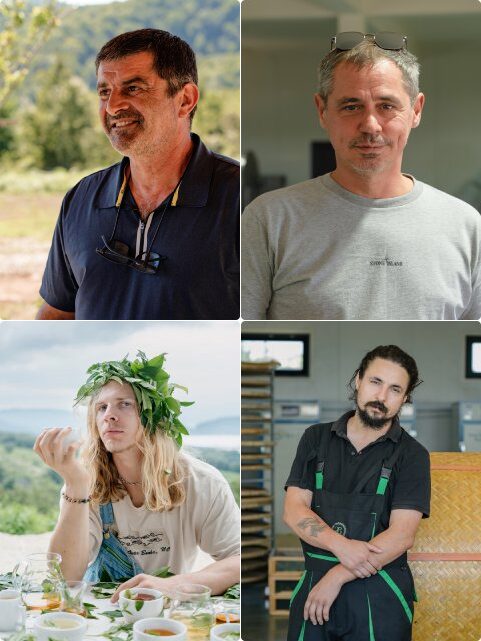
Levan Tskipurishvili was a jeweler who had grown up in Tkibuli region amongst these lush, rugged hills, specializing in jet, a byproduct of the region's rich coal mines. His old army friend Iura Nozadze was a businessman who wanted to try something different. Remembering that these villages around Satsire, some of the highest-elevation tea producing territories of Georgia, had been once famous for the superlative quality and taste of their tea, Levan started to buy old overgrown plantations and began a years-long process of restoring them to productivity, and the two of them began building the huge factory on the hilltop which would become the operations center of Zemo – "on top" in Georgian, signifying their wish to make the best tea out there.
As their preparatory works continued, they would meet Georgii Bukharov, a young Russian who had dropped out of the corporate world to travel around Georgia and learn about tea, studying from great masters like Nargiza Ghvinjilia. Georgii came on as the chief technologist, and with the help of Sasha Sekisov, another young Russian, they began to experiment with the first harvests coming out of the plantations after seven years of careful renovations. By the 2024 season, they had managed to stabilize a product line they loved, and now look forward to ramping up production as plantation productivity continues to increase.
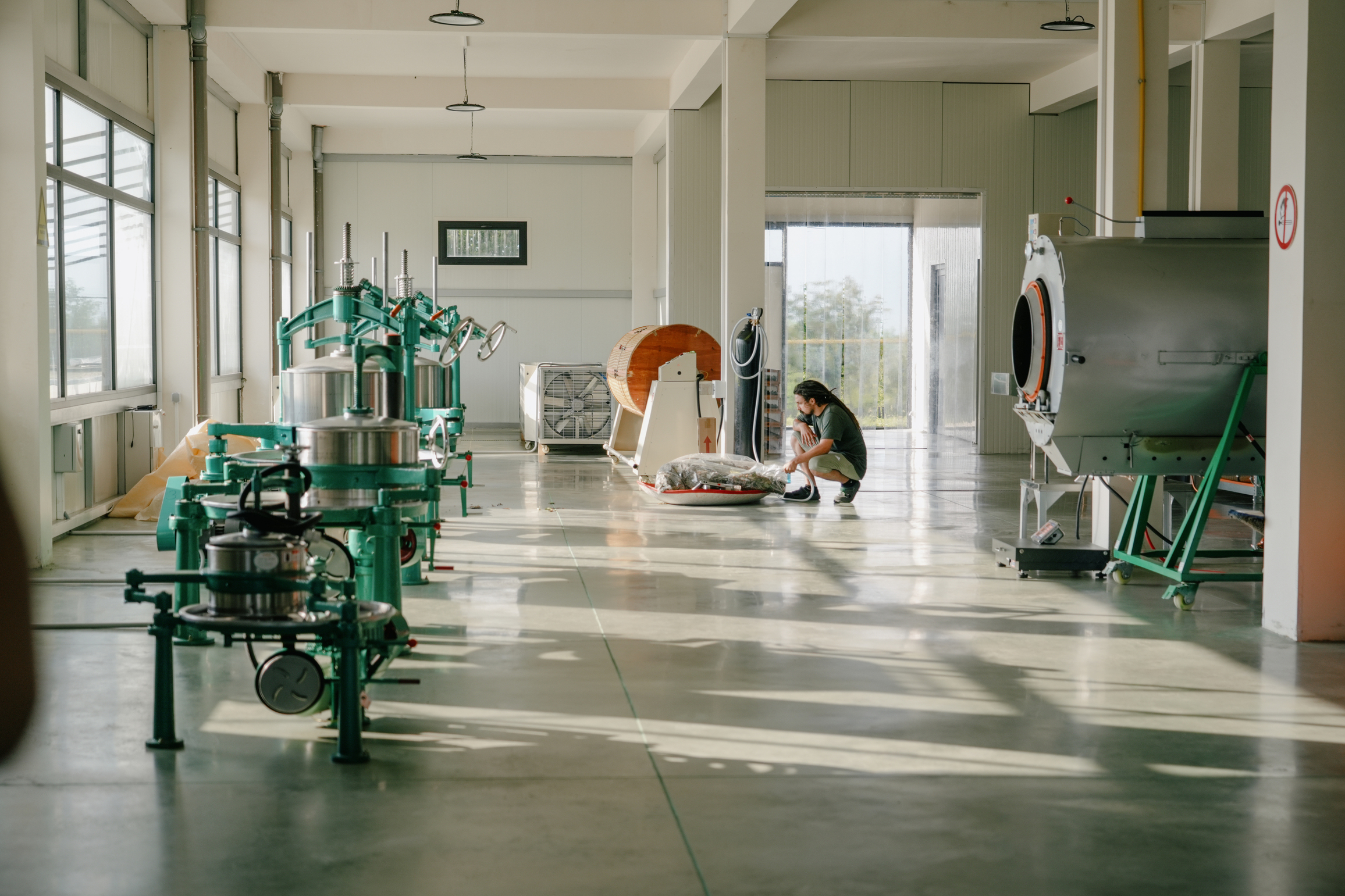
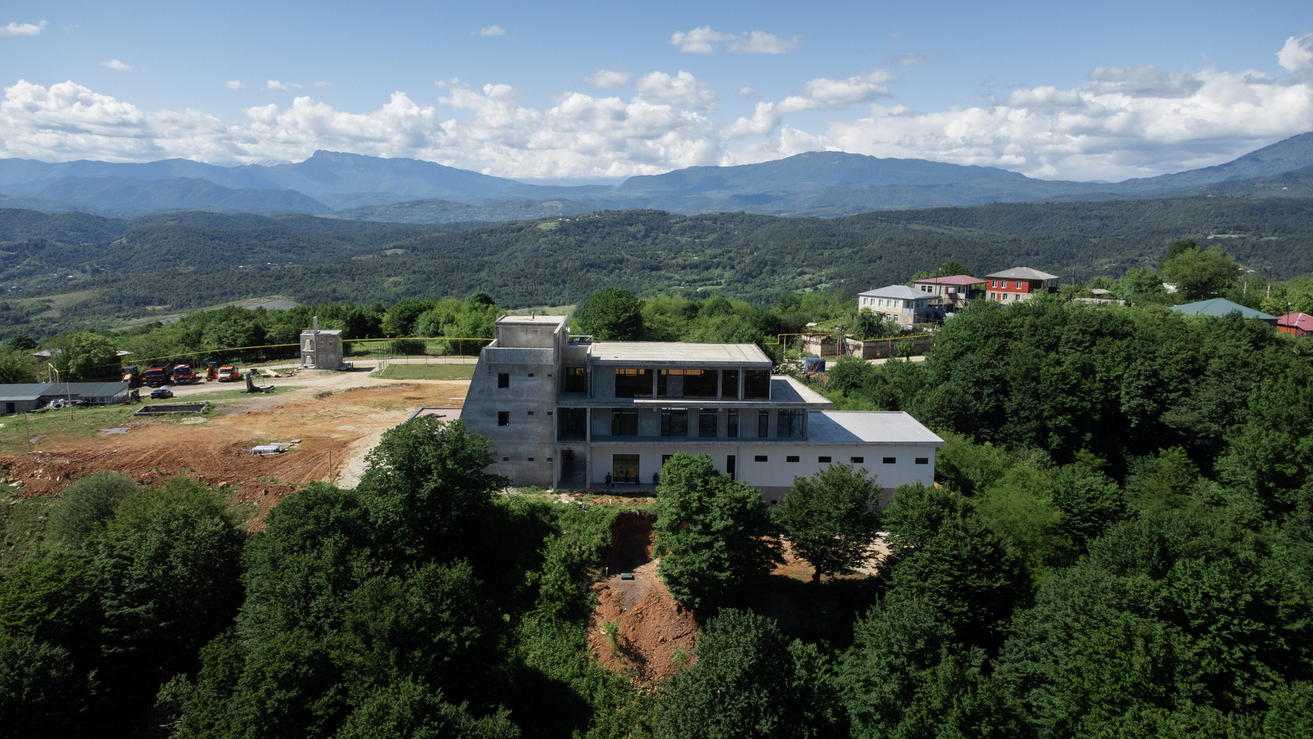
The massive Zemo factory in Zedubani, still only half-completed, is an impressive sight – certainly the largest work of tea infrastructure to be built in Georgia since the Soviet period. While it is fully equipped for the processing and production of their full lineup of teas, the team have even bigger plans for it. With the team expecting to process only four tons of tea or so from their plantations this season, they offer capacity for other farmers to process tea with their state-of-the-art equipment.
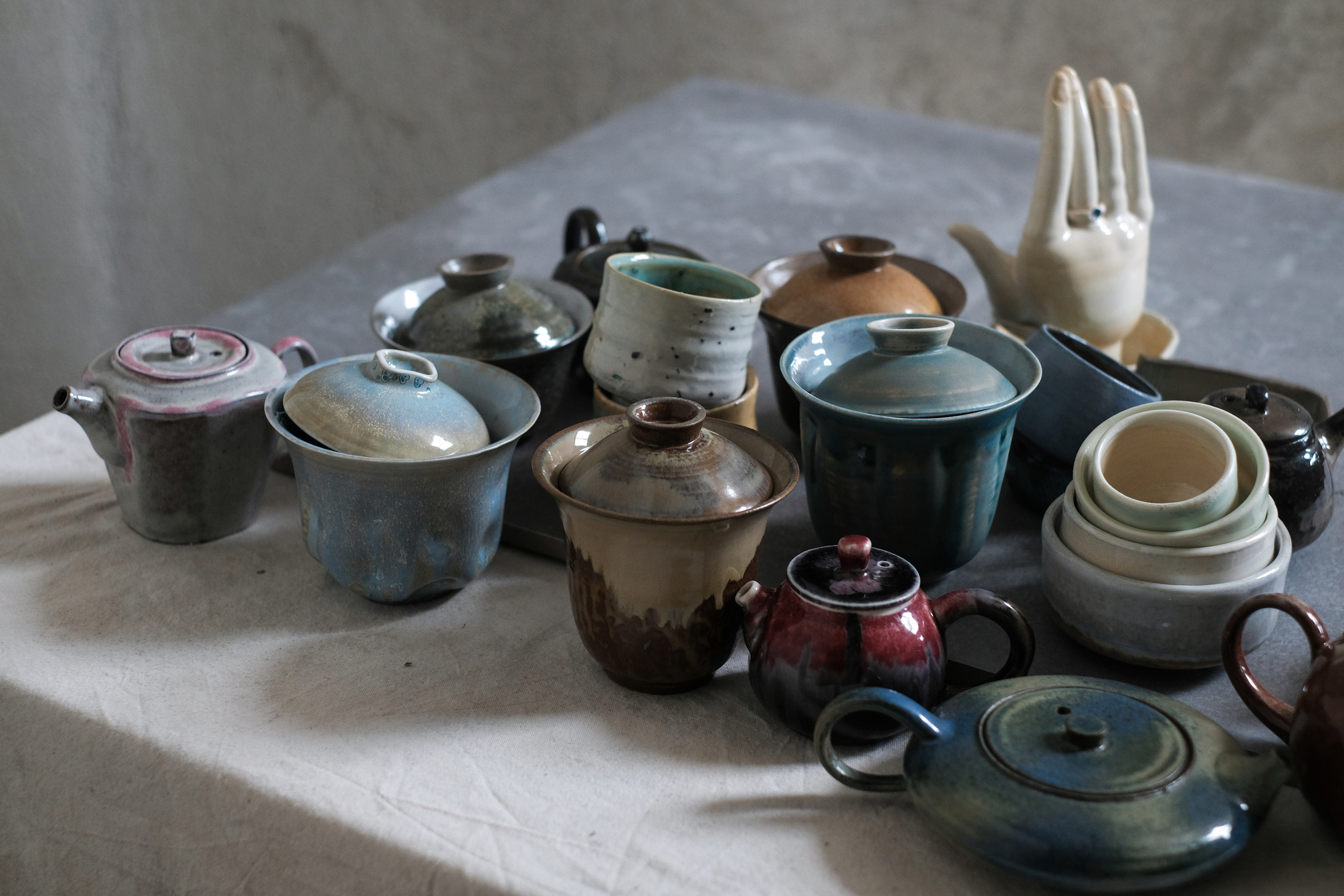
But it goes beyond just making tea: the upper floors of the factory are envisioned to become a series of community spaces. Levan says that they all consider themselves artists first and foremost, and they have already started dedicating space to workshops and studios for the local community, which will be used for the creation and study of woodworking, pottery, and Levan's passion, jewelry. A bright area full of windows is marked for the creation of exhibition spaces which will showcase different aspects of Georgia tea as well as local culture, while a terrace with an excellent view will become a tasting room; other spaces have the potential to be used for educational activities or guest housing. The rooftop, Georgii tells us, with its fabulous panoramic view over the green rolling hills, just might be a good place for parties. Big things are afoot in Zedubani, and we look forward to bringing updates about further developments!
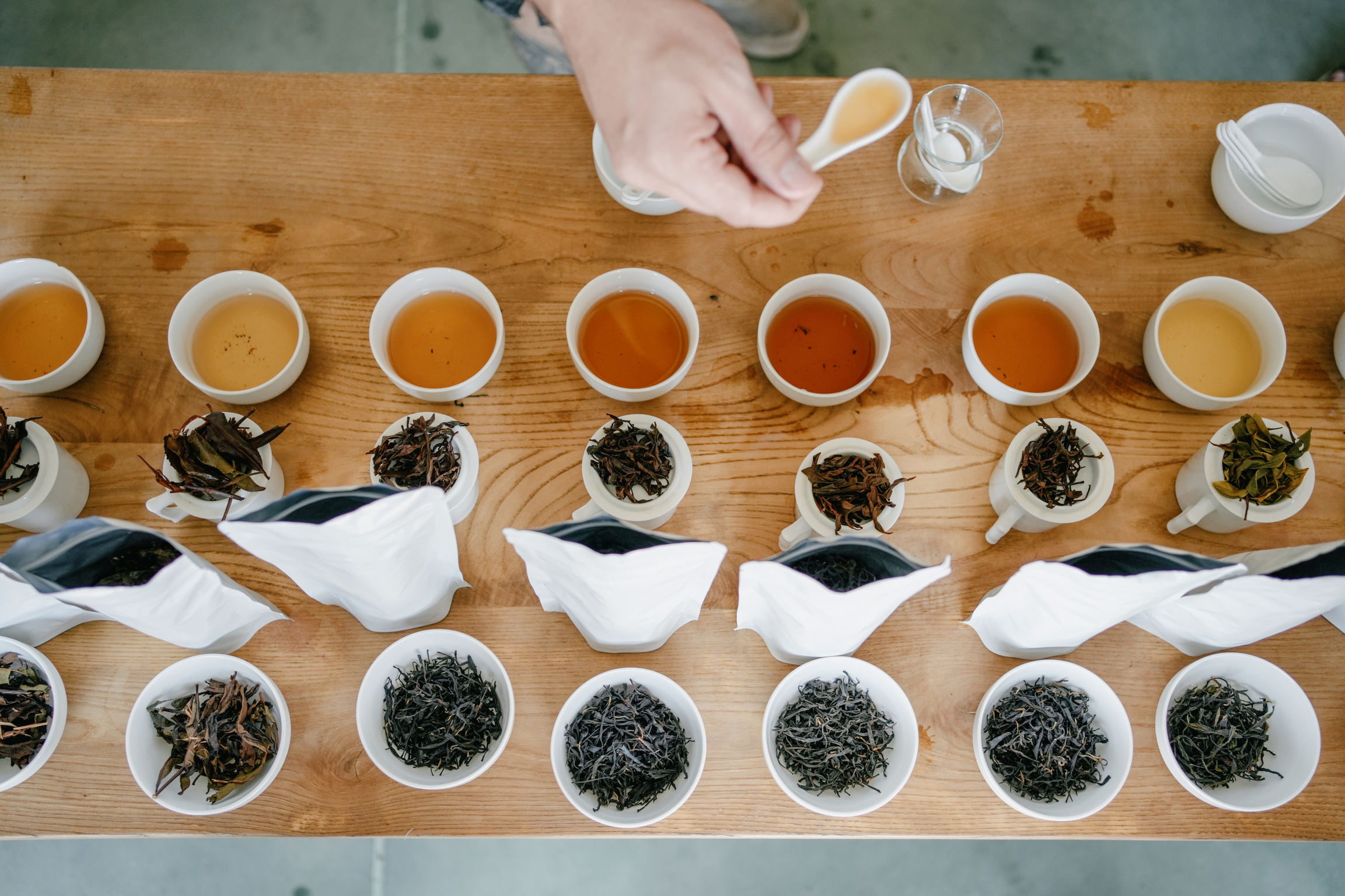
 Tea tasting at the Zemo factory
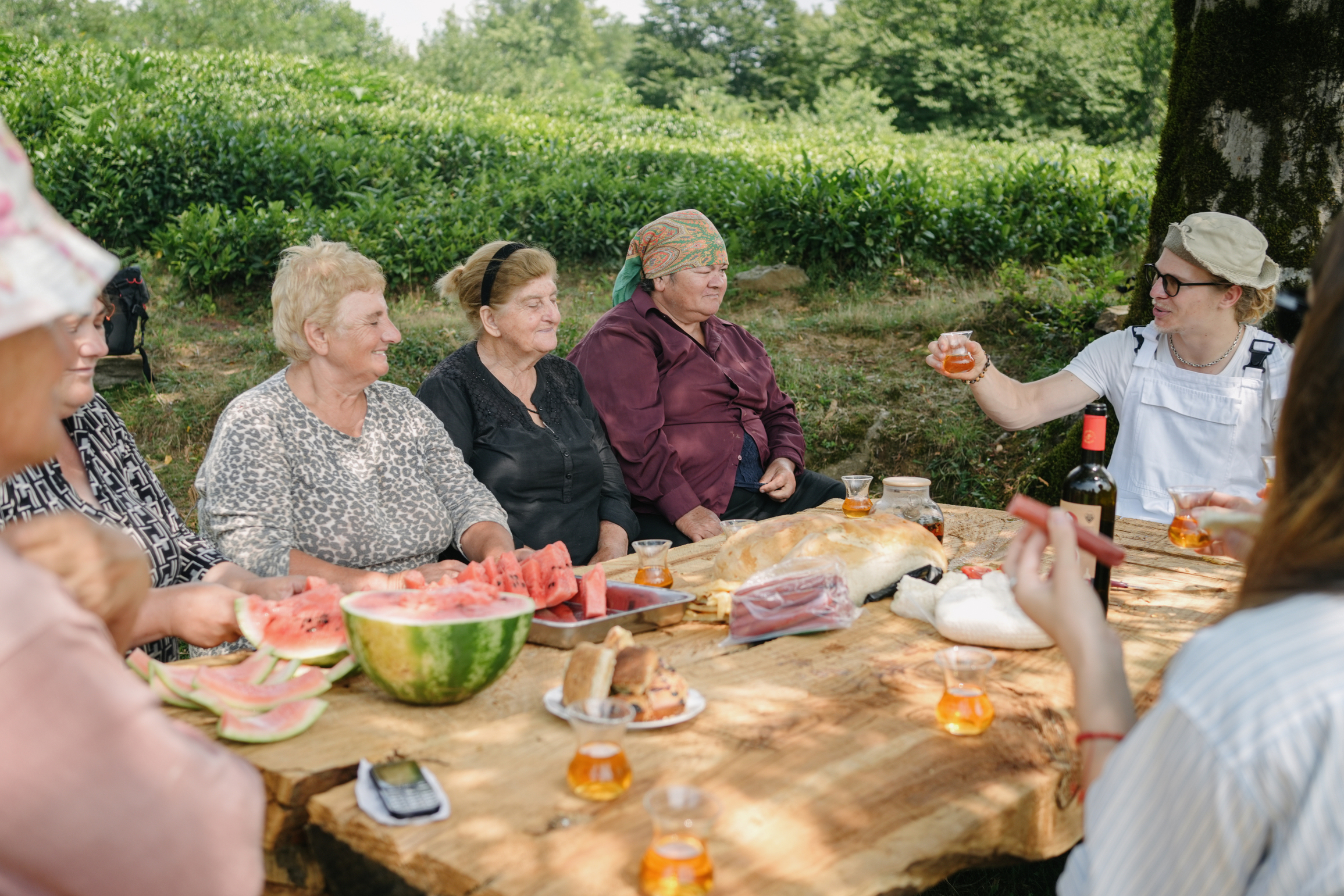
 Georgii leads a tea supra with the pluckers
- The interior of the Zemo factory
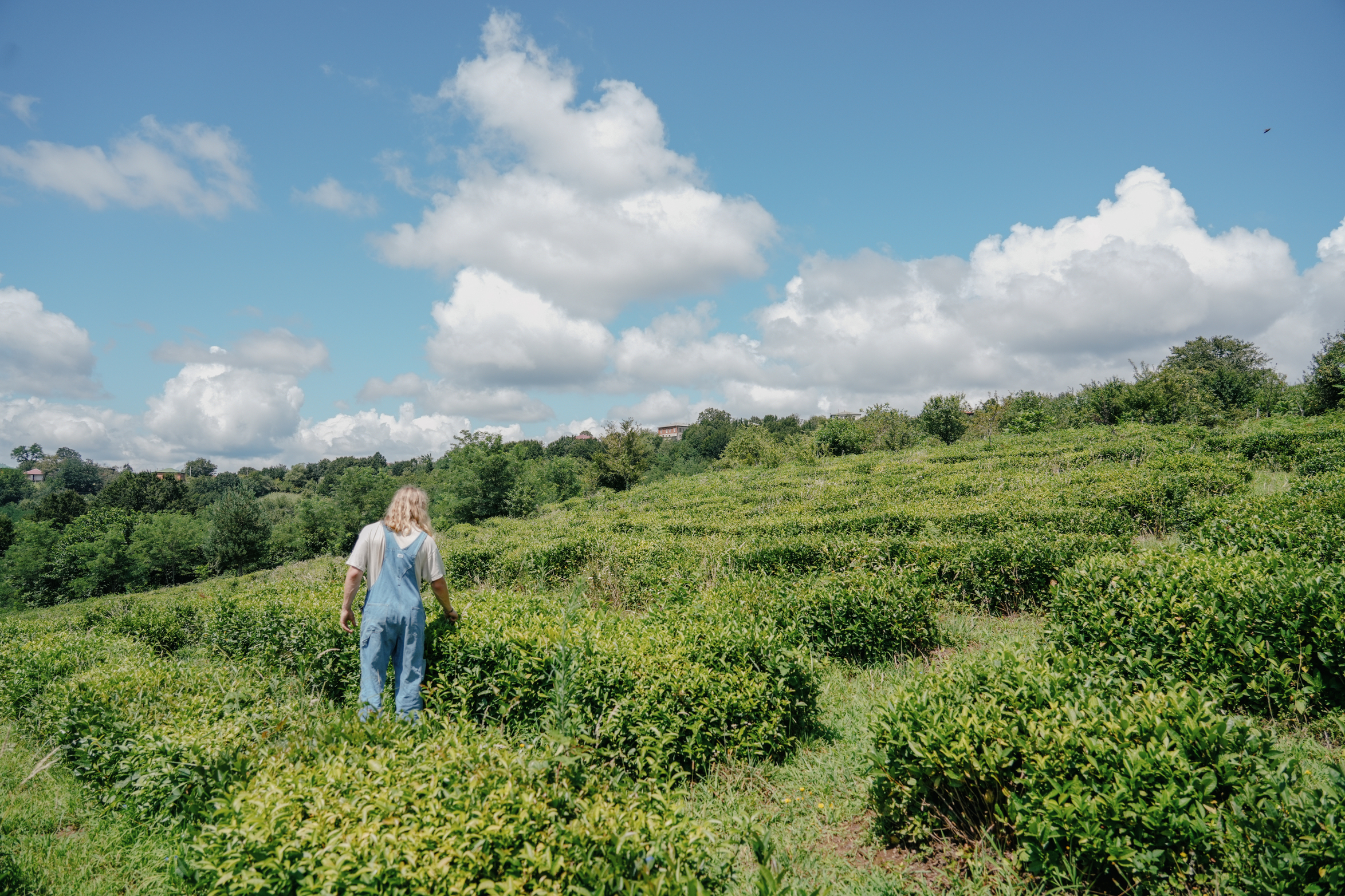
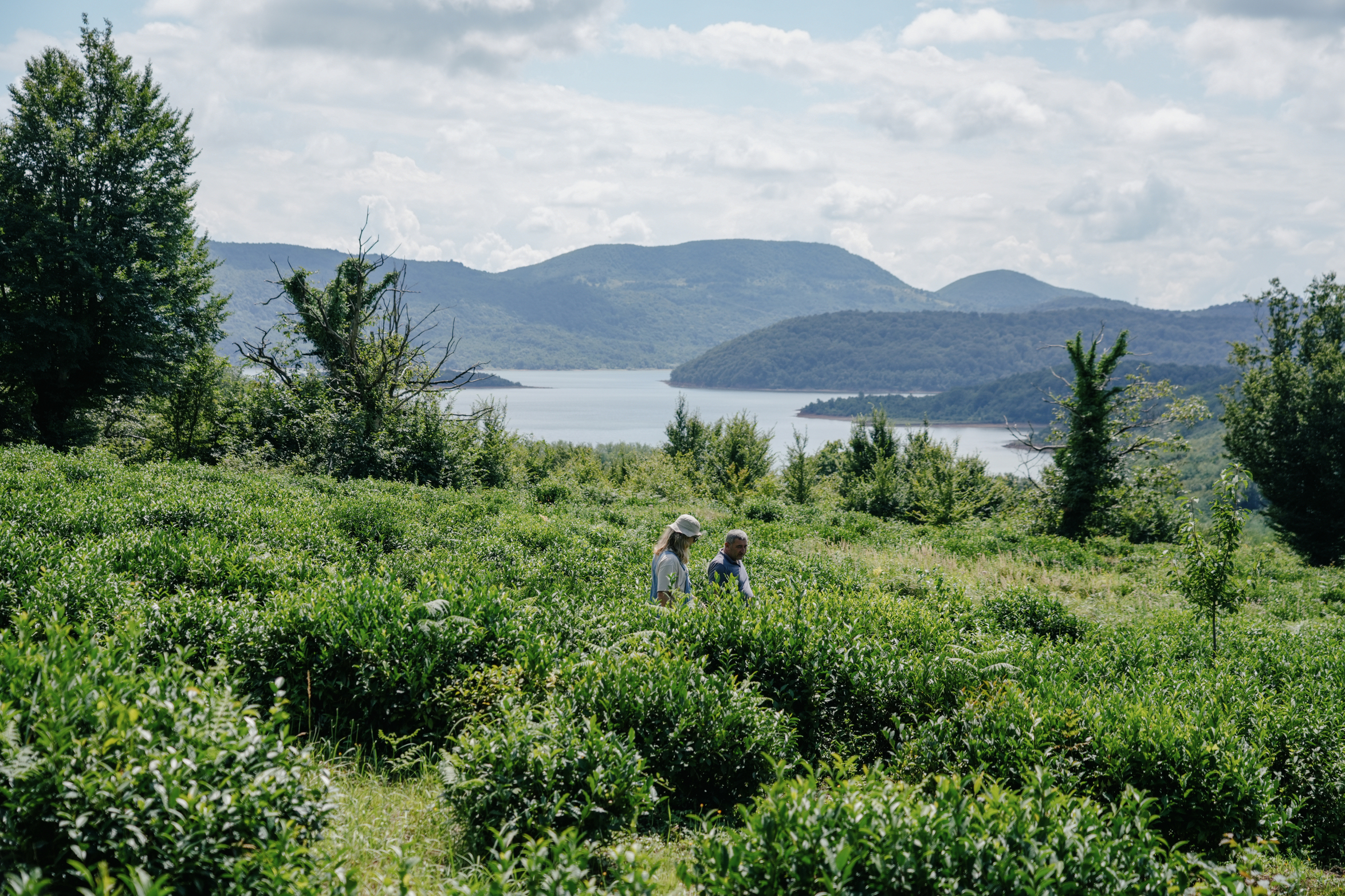
- Georgii inspects the tea bushes
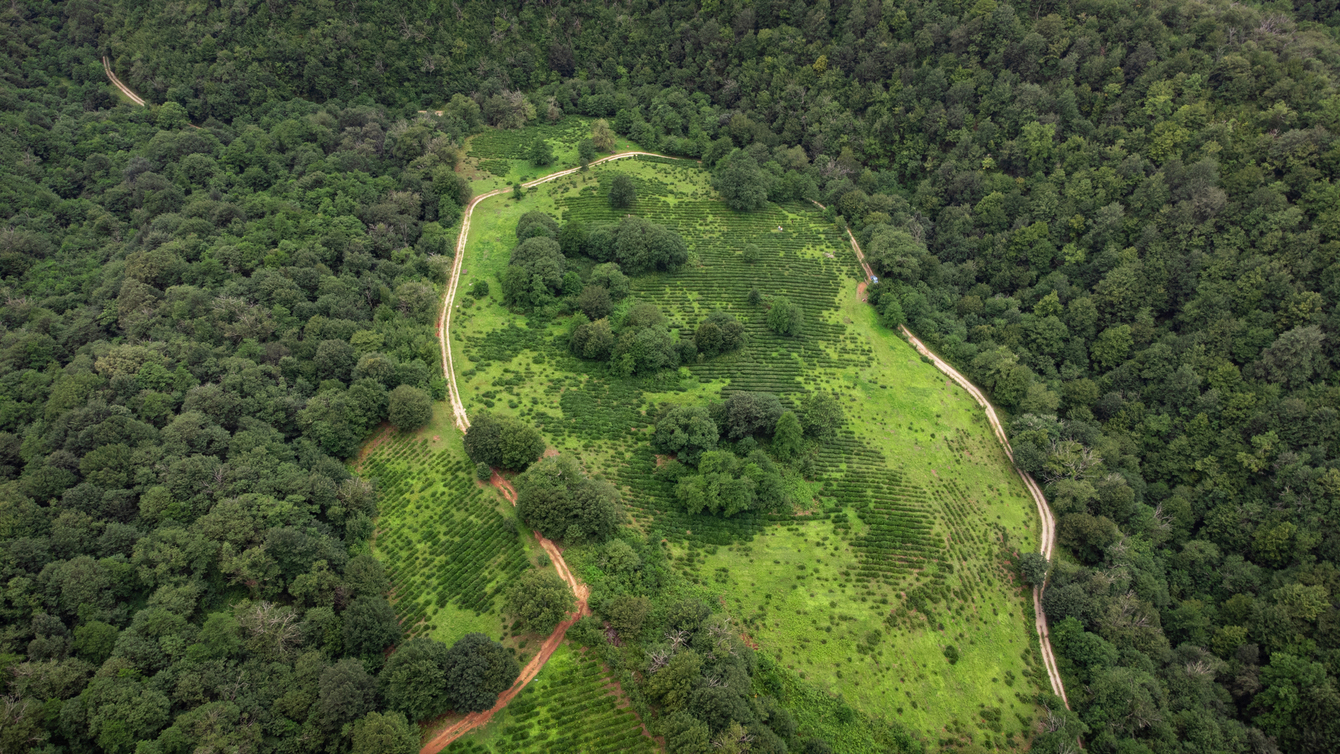
 Part of the plantation from above
- The factory
- Zemo\'s fields overlook Tkibuli reservoir
- Some of the pottery work created at the Zemo studios
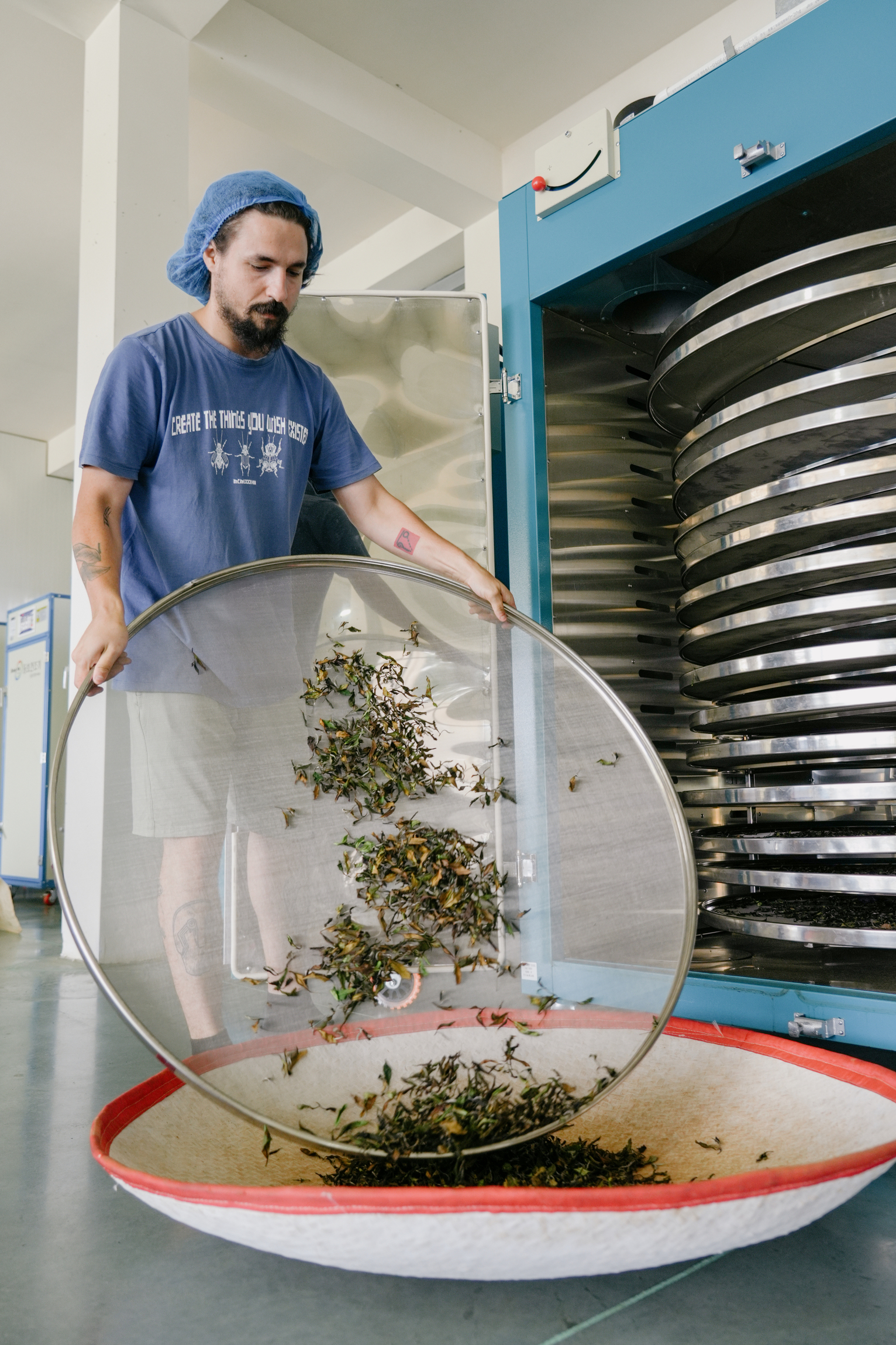
 Sasha working with the tea
All images courtesy of Zemo Tea Gardens.
All content on this website is copyright of their respective creators. Please do not reuse without permission. Contact the webmaster for more information.