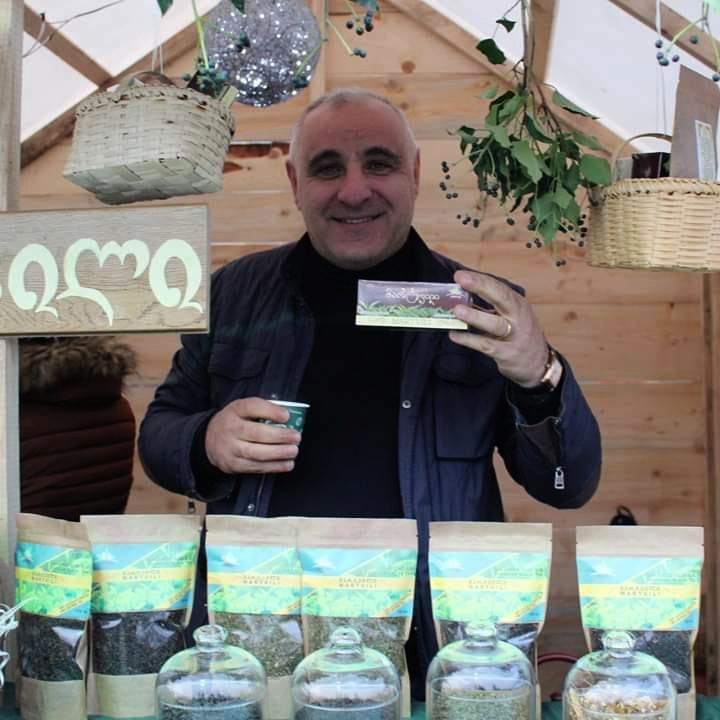
Gela Garchagodashvili (Martvili Tea)
Location
Didi Chkoni village, Samegrelo region
Contact Information
Martvili Tea is a big operation. Casual inquiries can be made on the Facebook page, while business inquiries can reach out to the email address genadiy-69@mail.ru. While Gela himself only speaks Georgian and Russian, others in the organization will be able to translate for English speakers.
Types of Tea
In contrast to most of the small-batch, artisanal tea makers featured on this website, Martvili Tea is one of the largest tea factories in Georgia, producing 400-500 tons of tea per year from 150 hectares of plantations. They produce tea across all segments of the market – from bricks of "Lao Chai" from winter trimmings, popular in Mongolia, to teabags of middle-grade "baixi", to premium quality whole leaf tea.
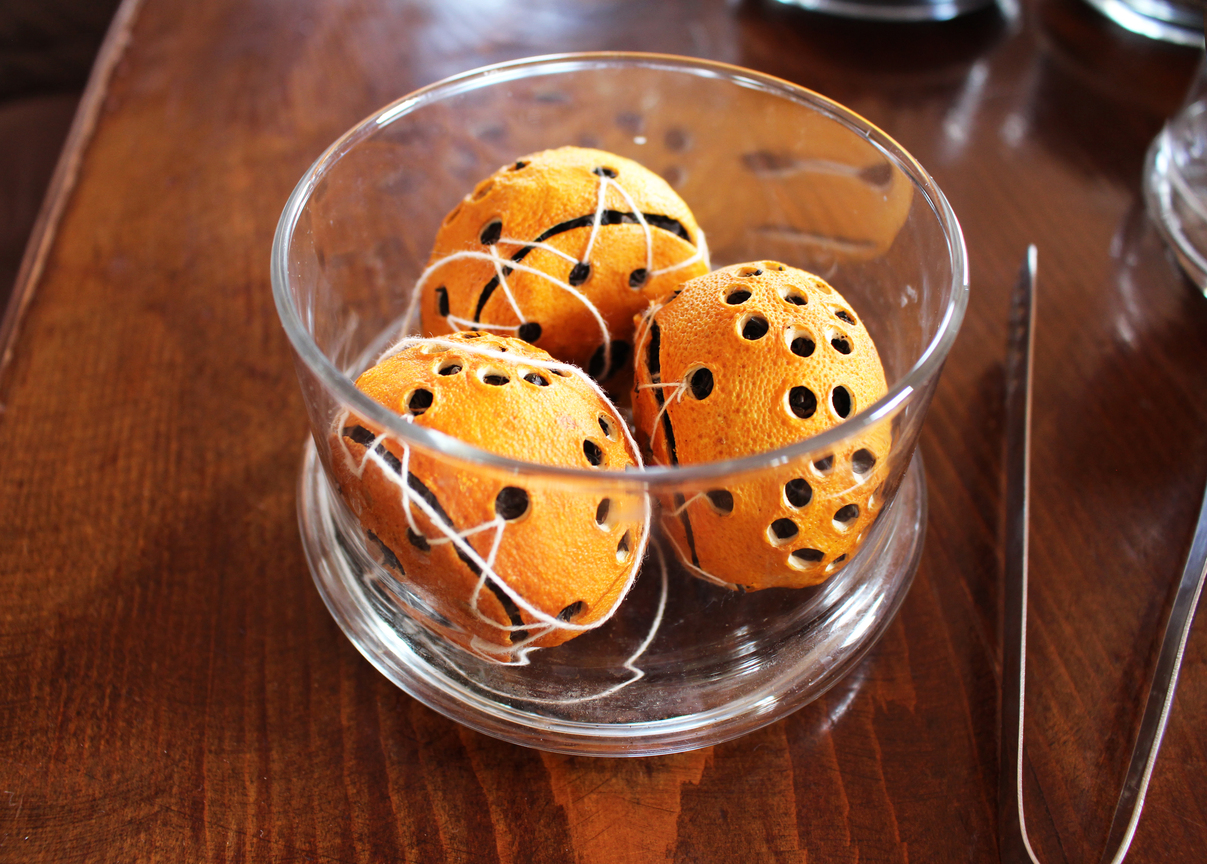
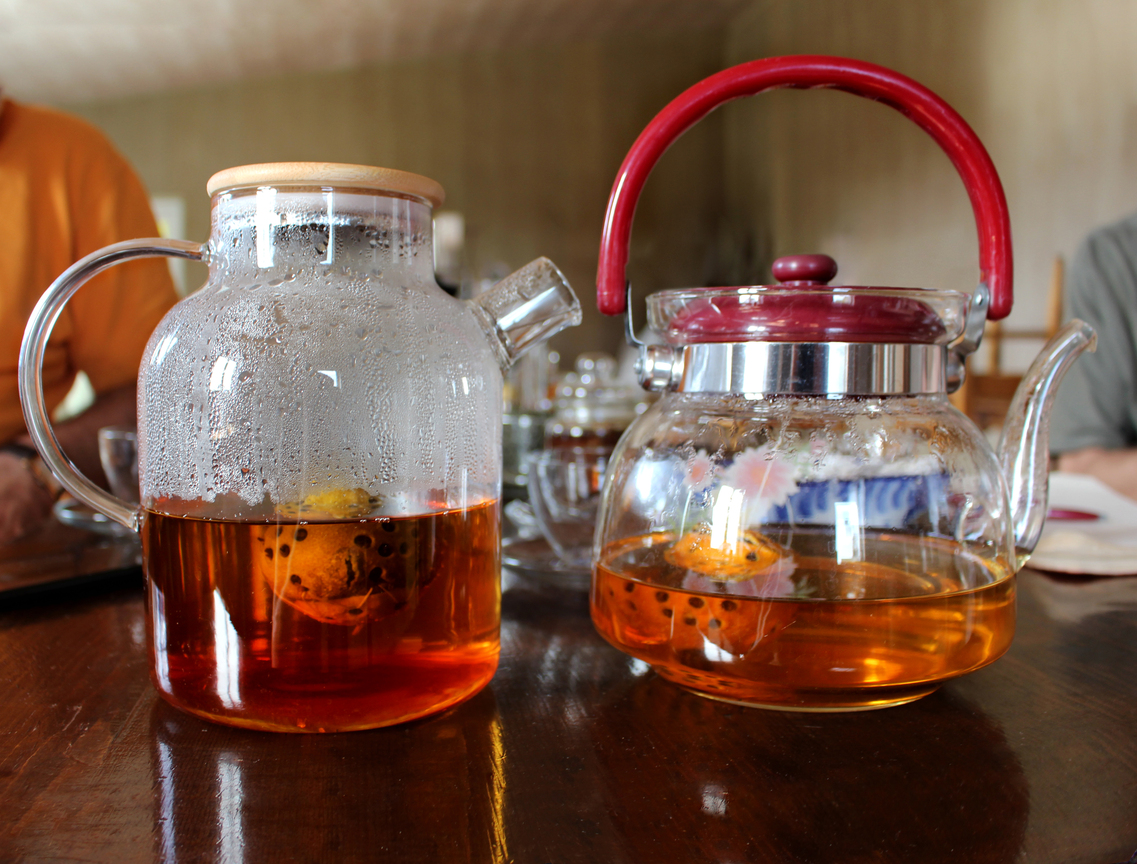
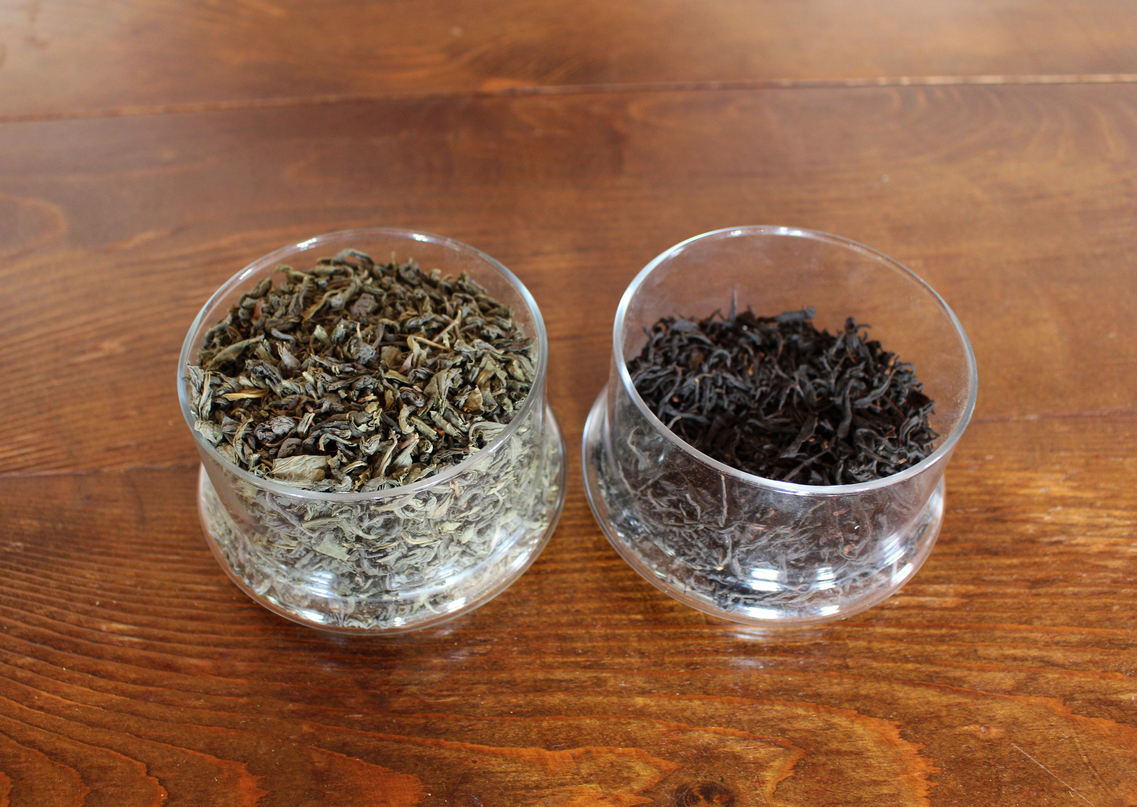
Martvili Tea mainly makes black and green tea, but they also have a small quantity of white tea. The premium quality black tea has the classic taste typical of Georgian blacks, with a mild nutty sweetness, while the premium green is light and pleasant, with mild vegetal notes and hints of fruit. They also create one unique specialty product: tea balls in citrus peel (orange, lemon, or lime). The tea is pressed, similarly to pu'er, and hand-wrapped in the peels. The taste is as expected – a strong brew with citrus notes – but the tea ball is a visually striking novelty, and packs enough tea to brew up to two liters.
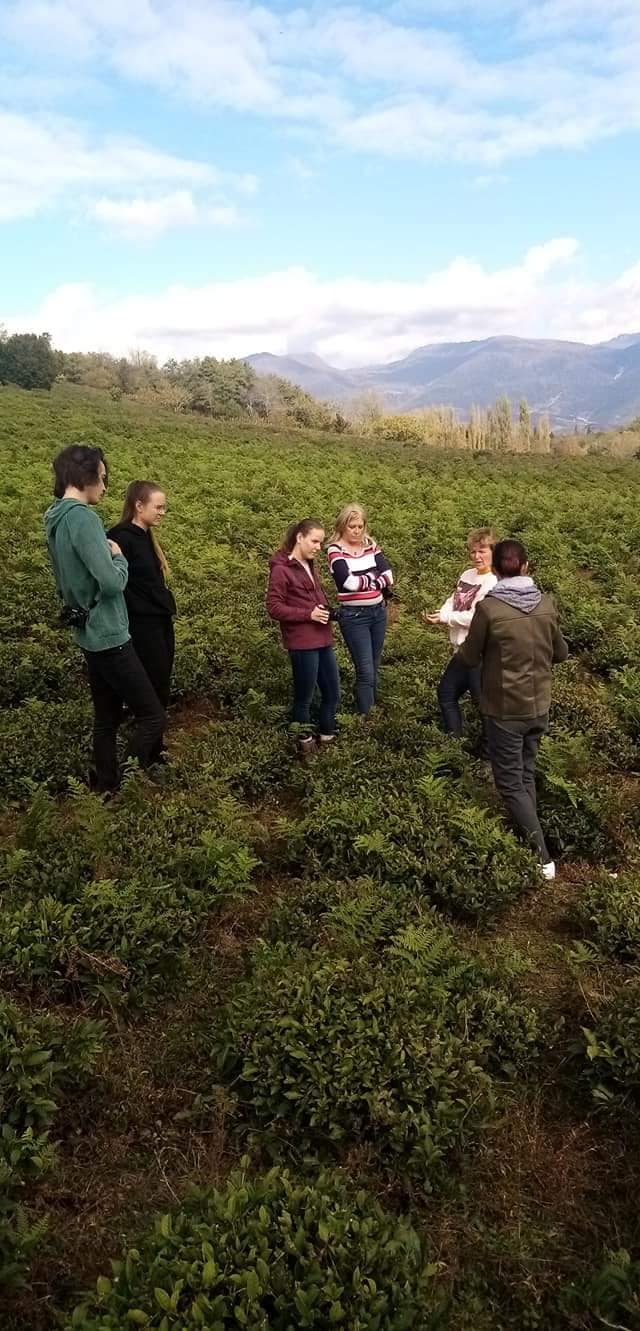
The plantation and factory are open for visitors – Gela frequently welcomes tour groups throughout the season to show them how everything works and hold tastings. Gela speaks Georgian and Russian – but reach out to me (the webmaster) if you're an English-speaking group interested in visiting, and I can help arrange your visit.
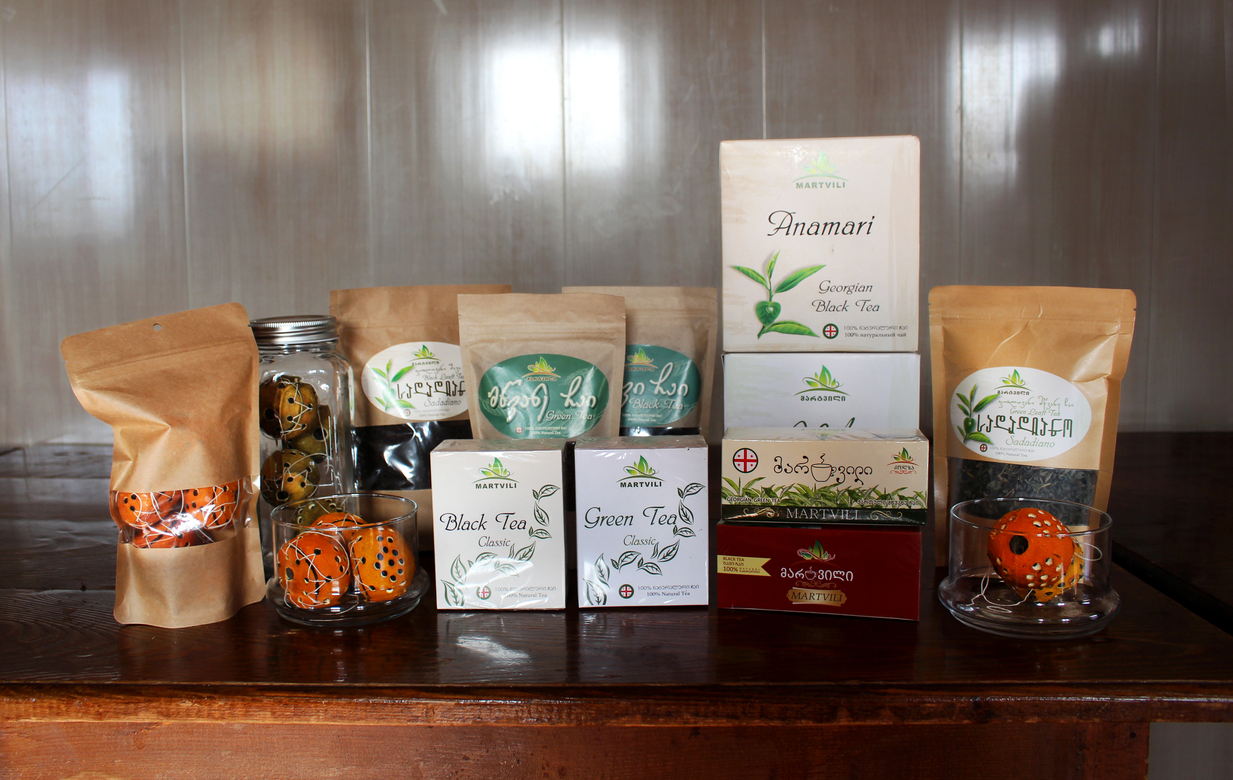
Images by Sopho Pepanashvili.
The Story of Martvili Tea
Although the Martvili region had 24 tea factories during the Soviet period, Gela only got a personal connection with the tea business later in life. After finishing technical school and his mandatory stint in the Soviet army, Gela found himself in Moscow as the USSR was collapsing in the early 1990s and decided to go into business. He got his start in the ceramics industry and eventually wound up as the owner and director of a porcelain factory. He was doing quite well for himself, but he felt like he also wanted to do something for his own country and region. Remembering how important tea had been for Martvili's economy, he started to buy some old factories (by now totally in ruins) and plantations (by now completely infested with weeds) and putting together a plan to revive them. Then, the 2008 war broke out, and Gela knew that he didn't want to live in Russia anymore. From that point, he would put his entire energy and resources into what would become Martvili Tea.
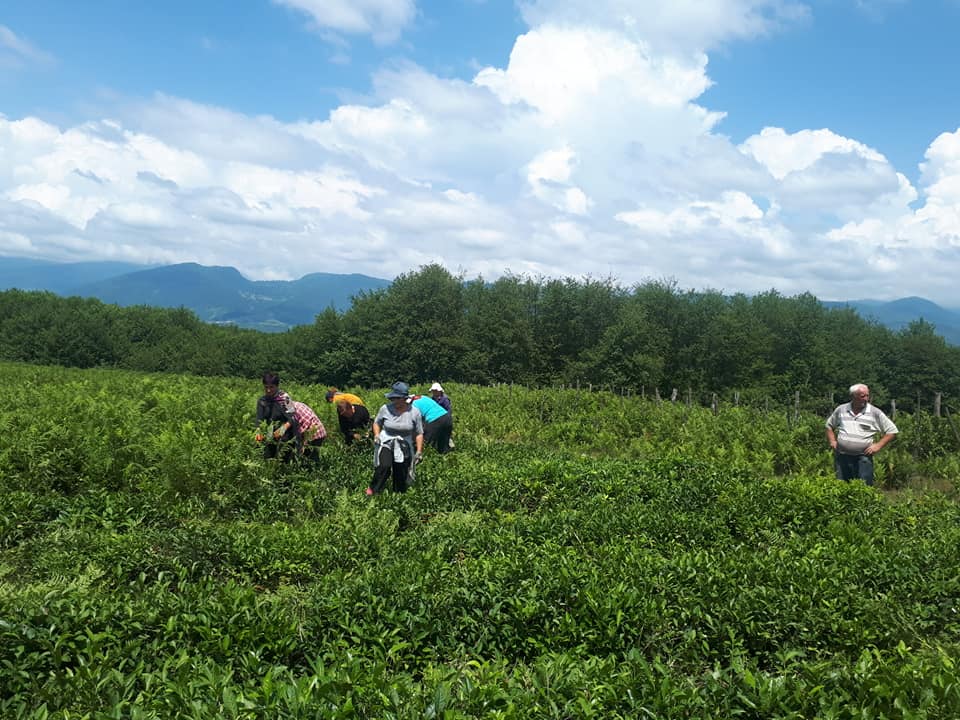
It took many long years of repairing and renewing – Gela estimates that he spent more than $5 million building almost everything back up from the ground. In the difficult post-Soviet realities of the Georgian tea business, where many tea makers have had to rely on grants to obtain necessary equipment, Gela is proud of the fact that he was able to do it all by himself. He is also proud that his business employs more than 500 people – one of the largest employers in the region. In fact, he says one of his biggest challenges is finding enough people to help out around the five villages where his plantations are. But Gela has even more in his sights: besides the 150 hectares of plantations in active use, Martvili Tea owns 750 hectares of dormant plantation; Gela hopes that someday an investor might take interest and help him develop them.
Every Georgian tea maker favors their own region, and Gela is no exception; he reckons that the slightly higher elevation of Martvili region, as well as its comparatively lower humidity at its distance from the Black Sea, help to make it a superb tea region. Like all of Georgia, the winter seasonality lets him to grow tea without pesticides or other chemical inputs, allowing for both a more vigorous tea bush and a more natural product. To Gela's regret, he hasn't managed to make his tea popular in Georgia itself yet – supermarkets ask massive stocking fees and Georgian customers seem content to drink middling imports; but Martvili Tea sells well across Eastern Europe, in Ukraine, Belarus, and the Baltics, as well as in Germany, Austria, Czechia, Slovakia, and Poland.
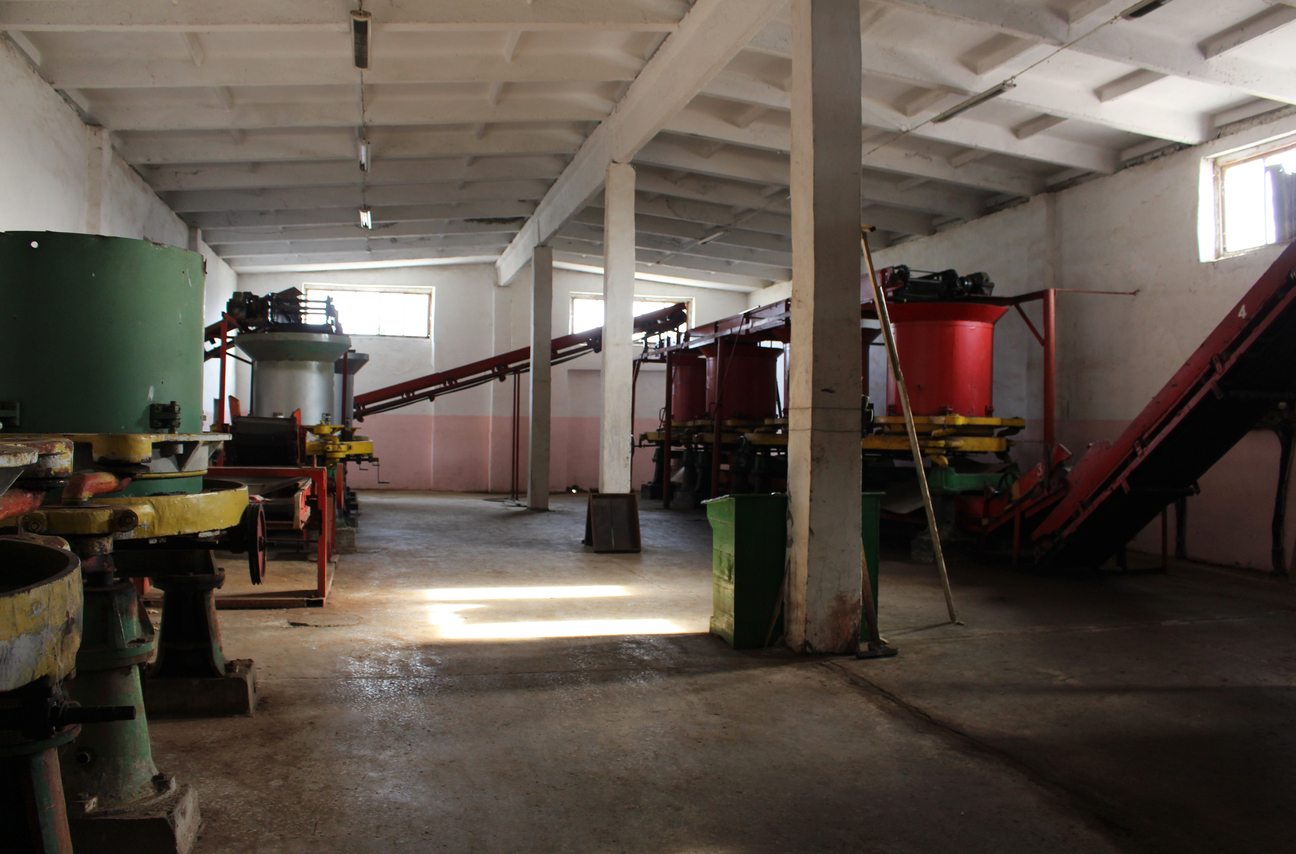
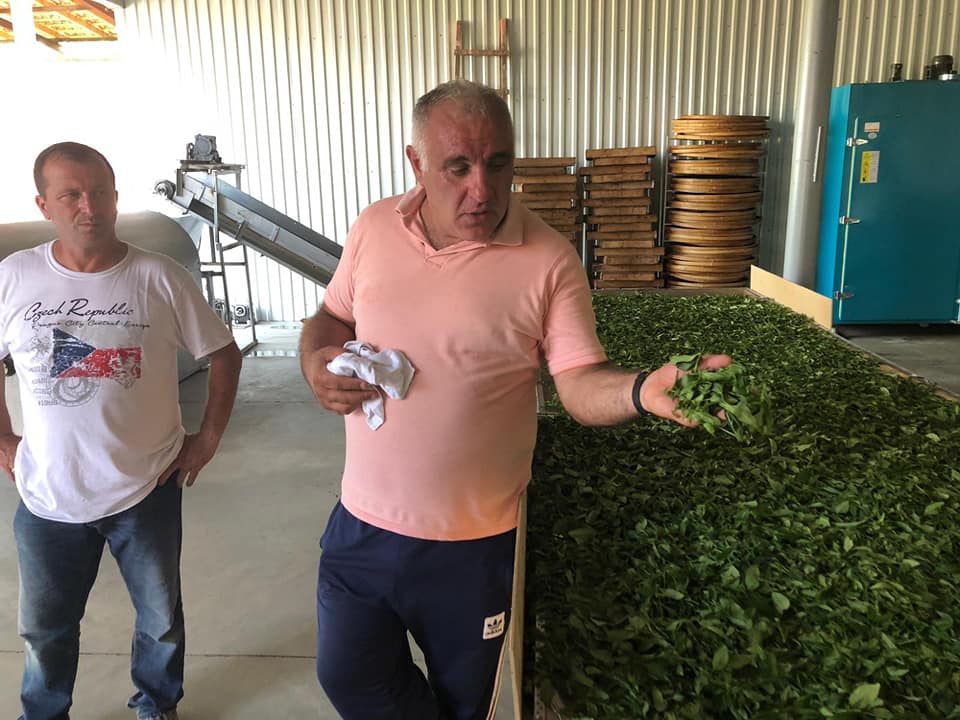
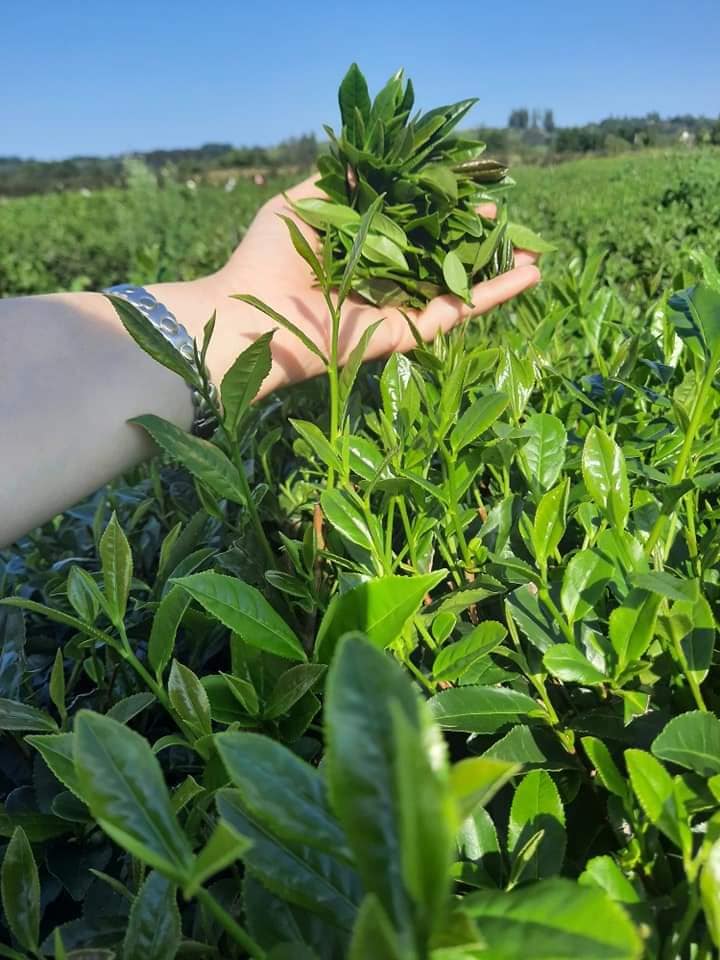
Images 2-5 provided by Martvili Tea. Image 1 by Sopho Pepanashvili.
All content on this website is copyright of their respective creators. Please do not reuse without permission. Contact the webmaster for more information.