Grigol & Guja Bitsadze (Anditri)
Location
Etseri village, Imereti region
Contact Information
As befitting the makers of some of Georgia's most exclusive teas, the Bitsadze brothers don't have much of an online presence. Making the pilgrimage out to Etseri is the best way to get to know them. However, you can reach out to Grigol, who speaks some English, on Facebook, or on WhatsApp at +995 598 28 09 77.
Types of Tea
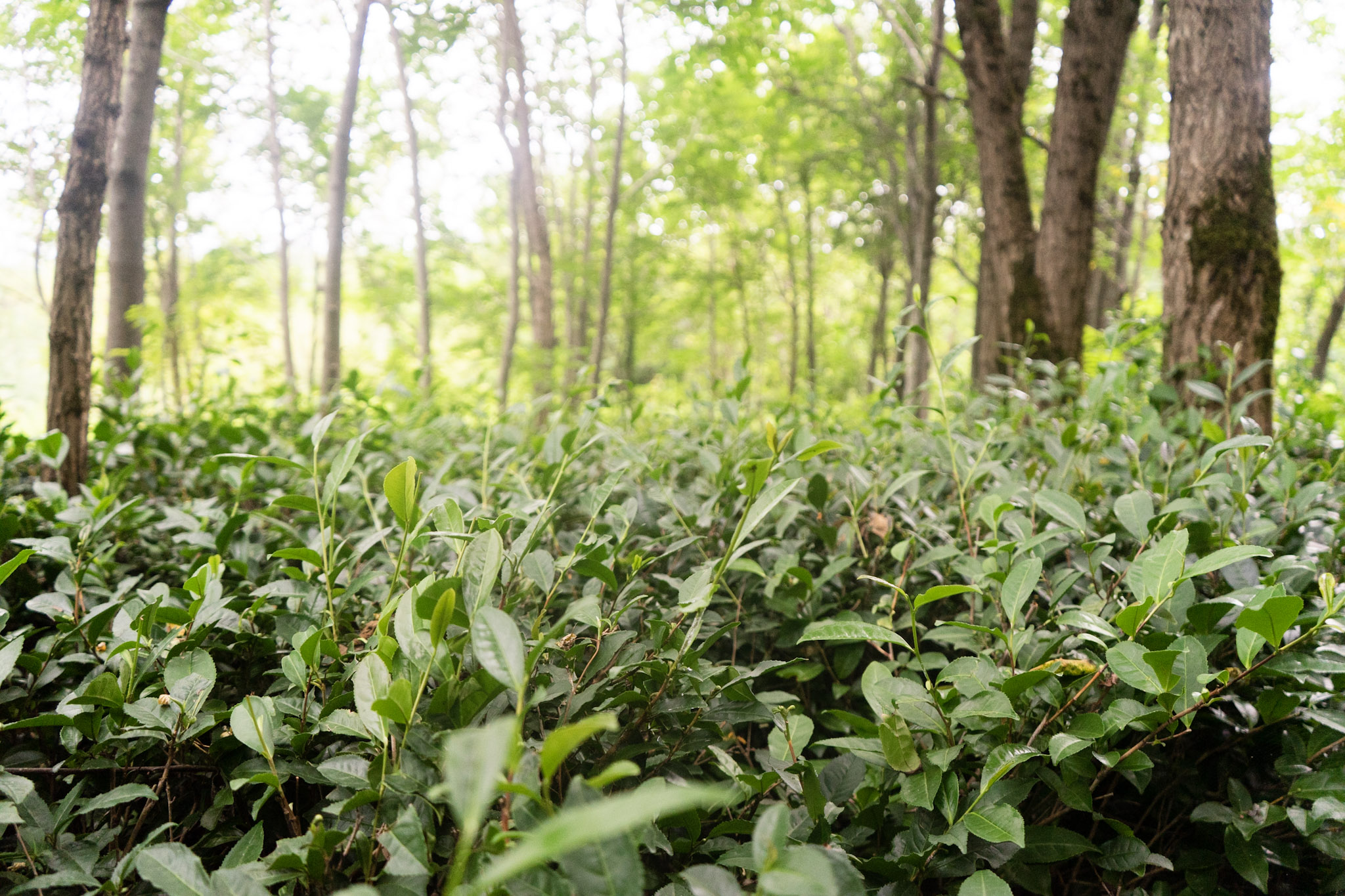
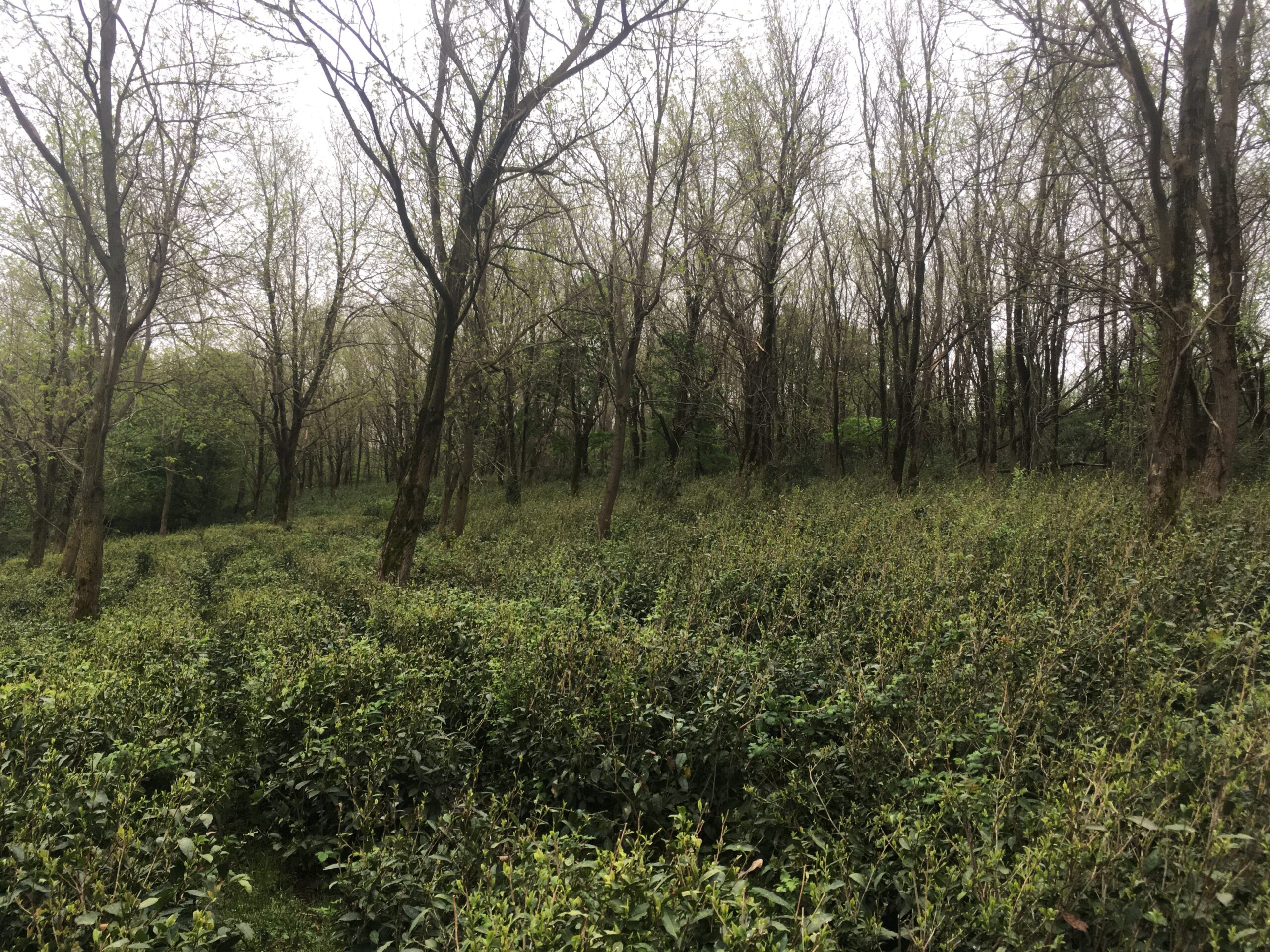
Grigol and Guja specialize in wild tea. Their bushes, once a highly productive Soviet plantation, lay fallow for decades; by the time they started restoring the farm in 2014, everything was a tangled forest overshadowed by acacia trees. Rather than attempt to restore a traditional tea field, they decided to keep the forest and just cut back enough weeds for the bushes to be productive and for them to be able to reach the bushes for harvesting. The result is a lush forest garden which fills with the honeyed fragrance of acacia and showers of flower petals during the spring months, giving the tea a certainly unique terroir as well as all the natural fertilizer it could ever need. The brothers state proudly that their bushes have not received a single chemical input since the plantation was abandoned in the early 1990s.
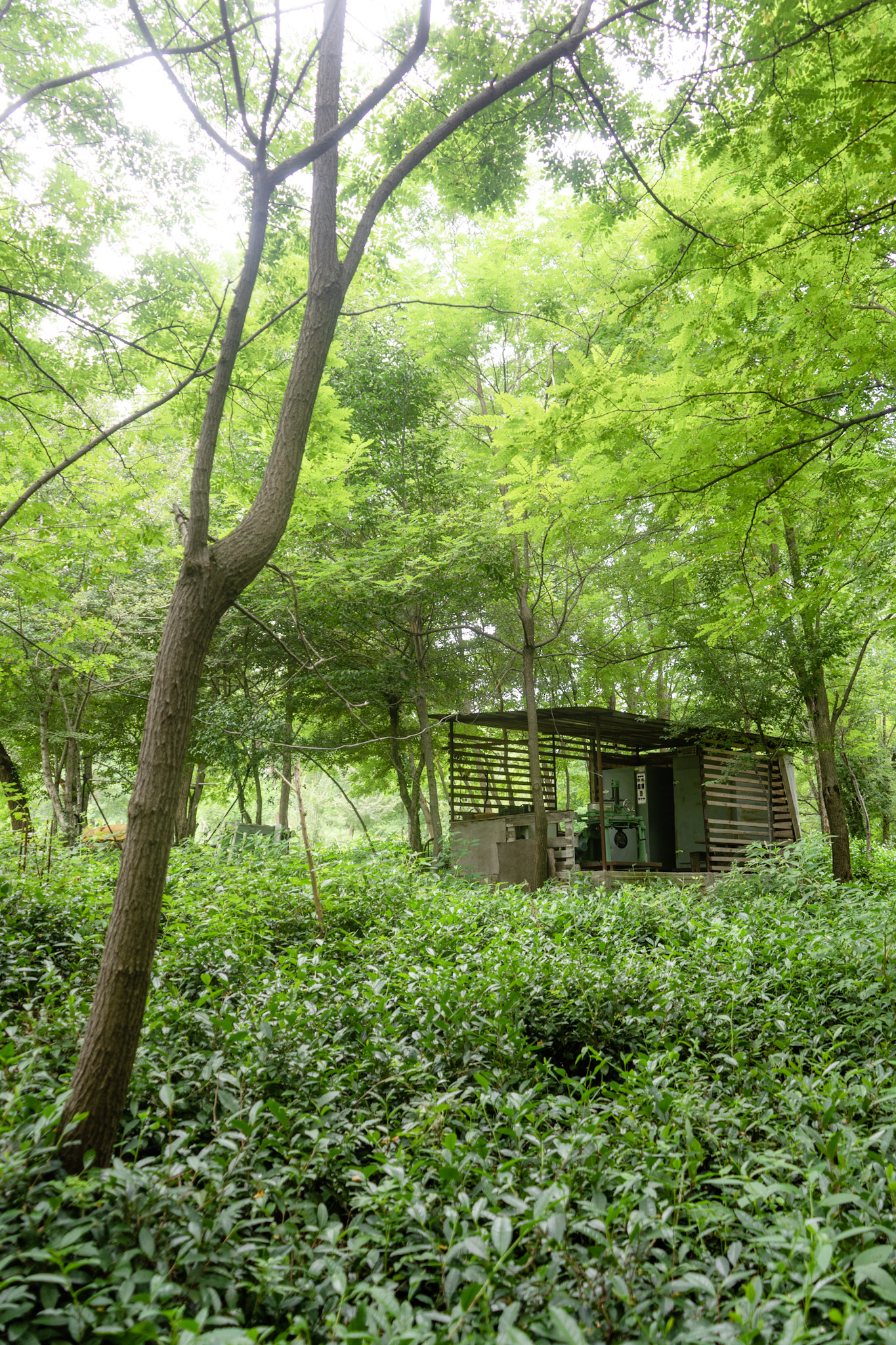
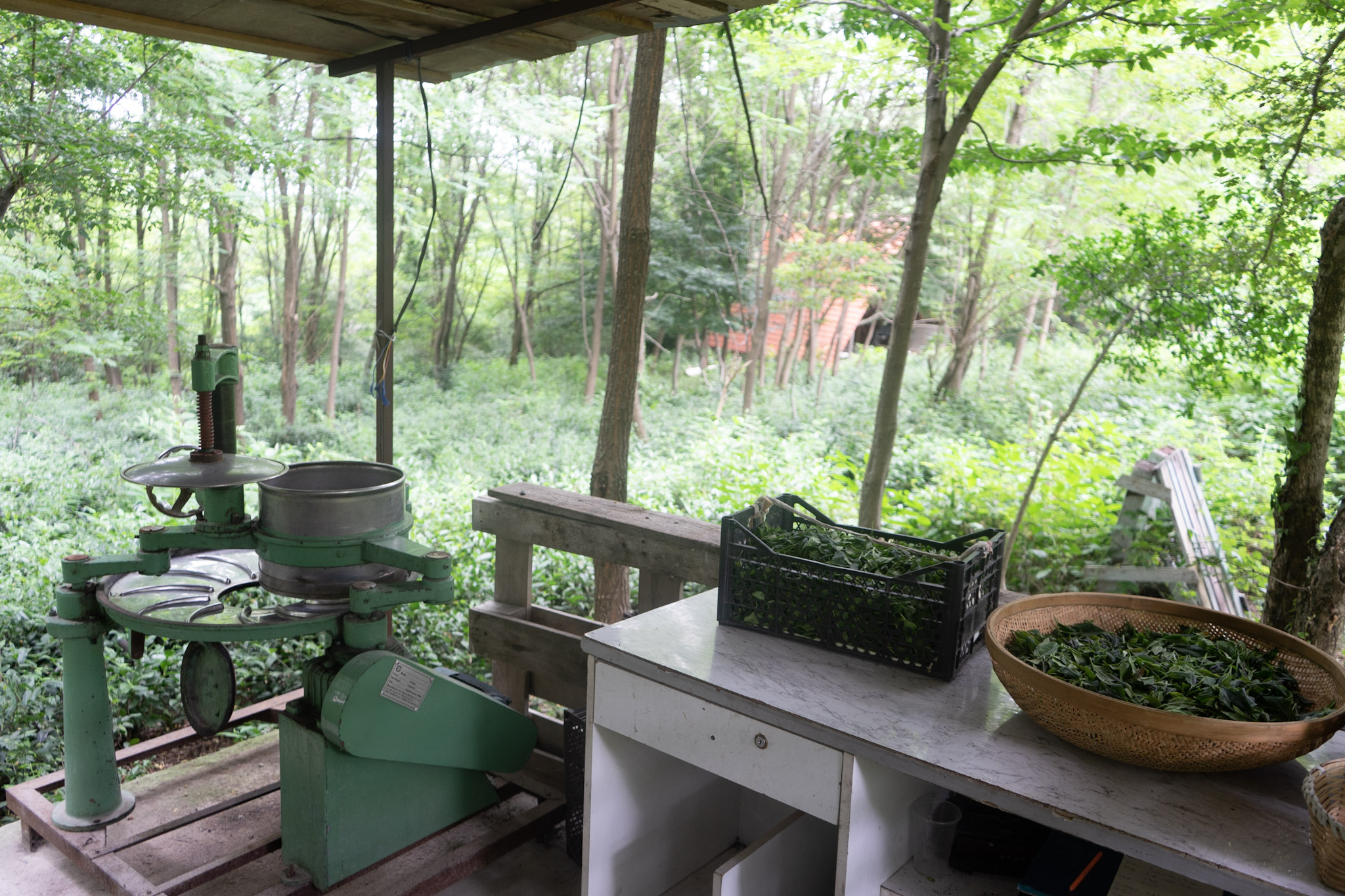
The focus of production is white tea, which is produced entirely by hand and shade-dried. A single roller and drying cabinet stand in an open-air hut in the midst of the forest for making black teas. They produce spring and summer teas separately, and also make some experiments with pressed white puer-style teas, flowering white teas, green teas, yellow teas, and a unique black tea blend with fermented acacia blossoms.
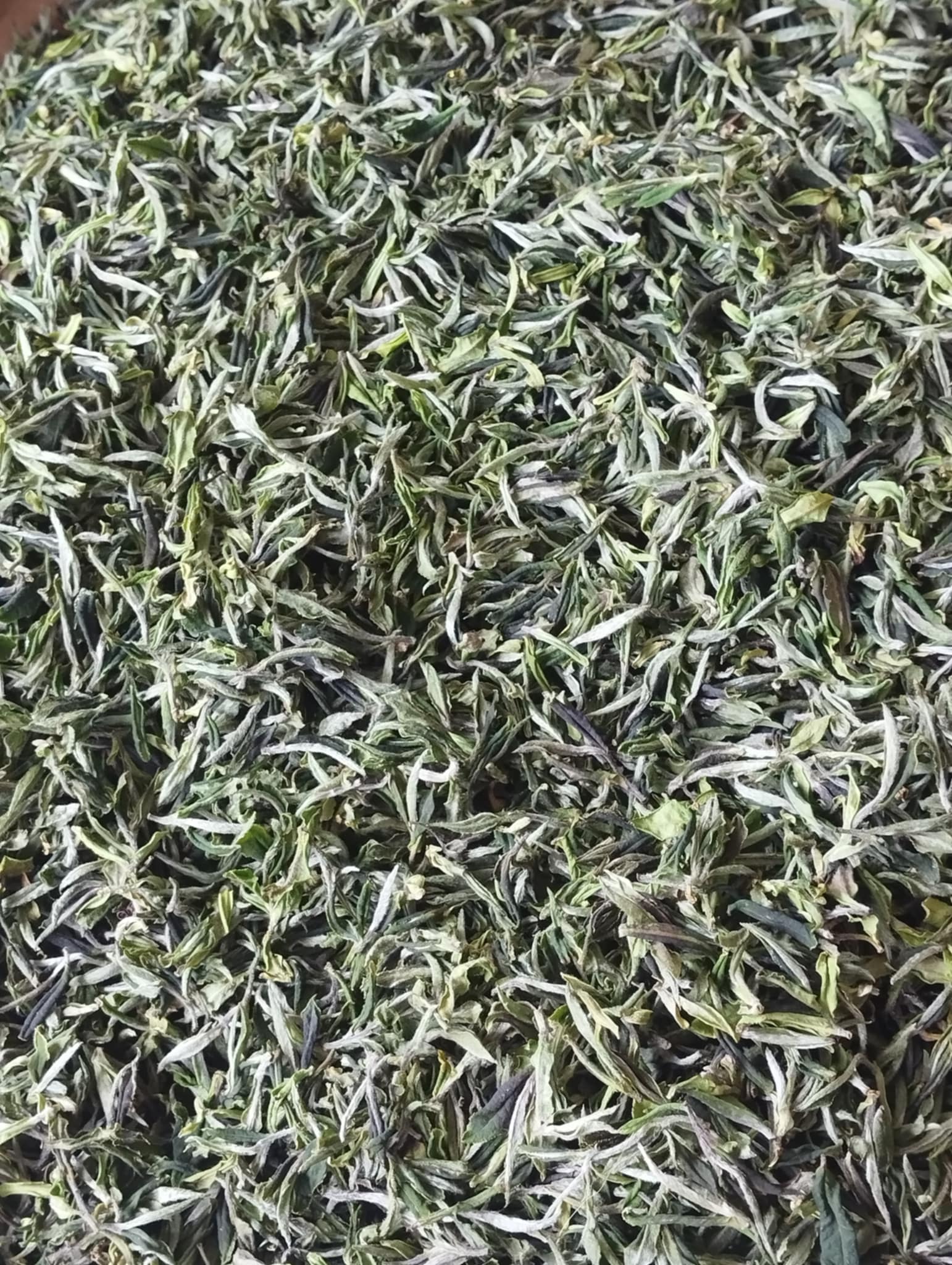
Wild white tea, spring harvest
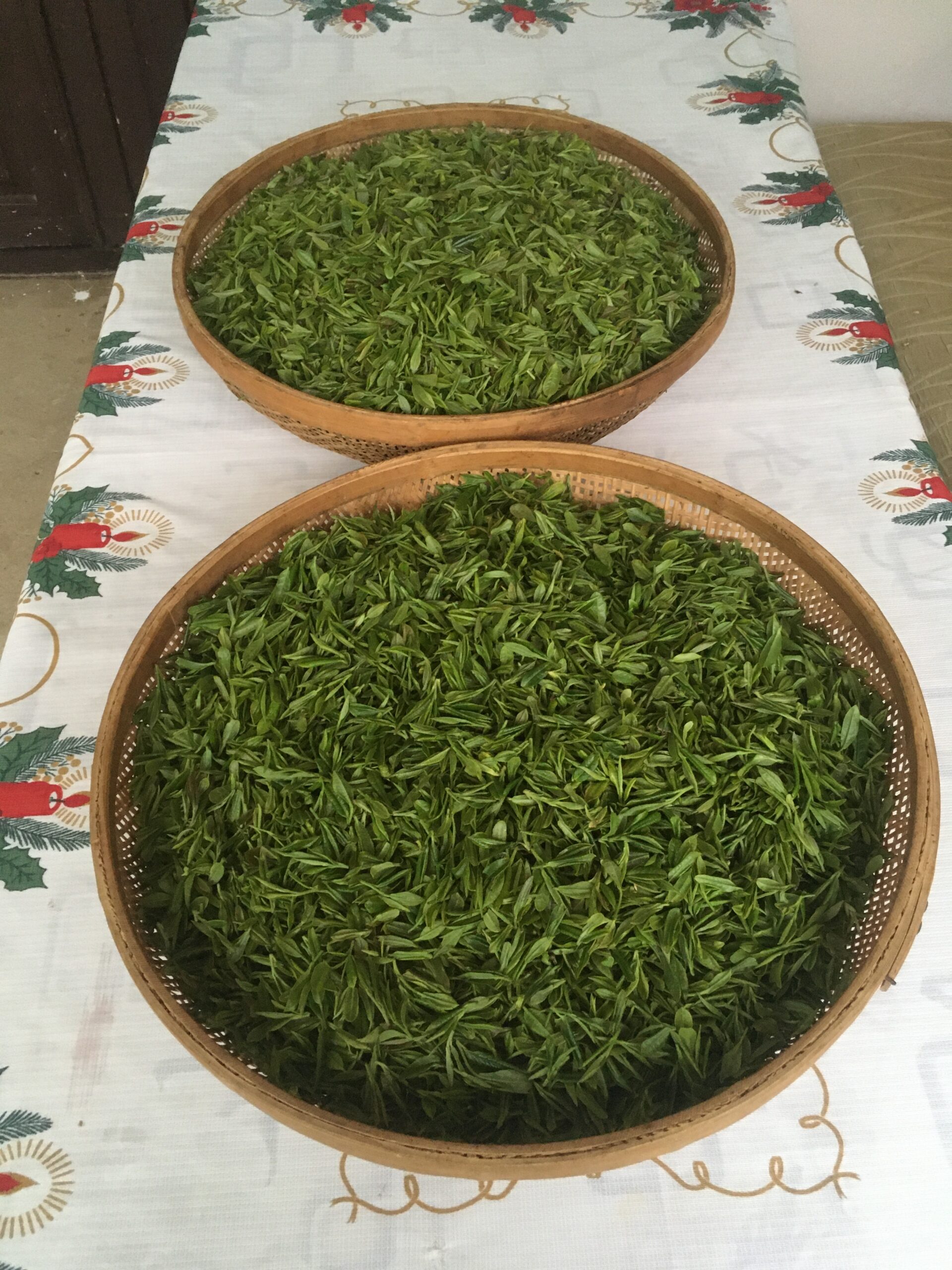
The spring tea has a smell and taste very similar to the smell of freshly picked leaves; very fresh flavor, deepening for the second infusion which starts to yellow. Holding so much flavor from the fresh leaf, it’s an excellent expression of these bushes.
Wild white tea, summer harvest
The summer version has slightly larger leaves, and is bolder, as expected from a summer tea, Maybe a touch less nuanced than the sweet, spring tea, summer teas can be a better choice for those who like a punchier white tea which retains the freshness characteristic of the Bitsadze’s teas.
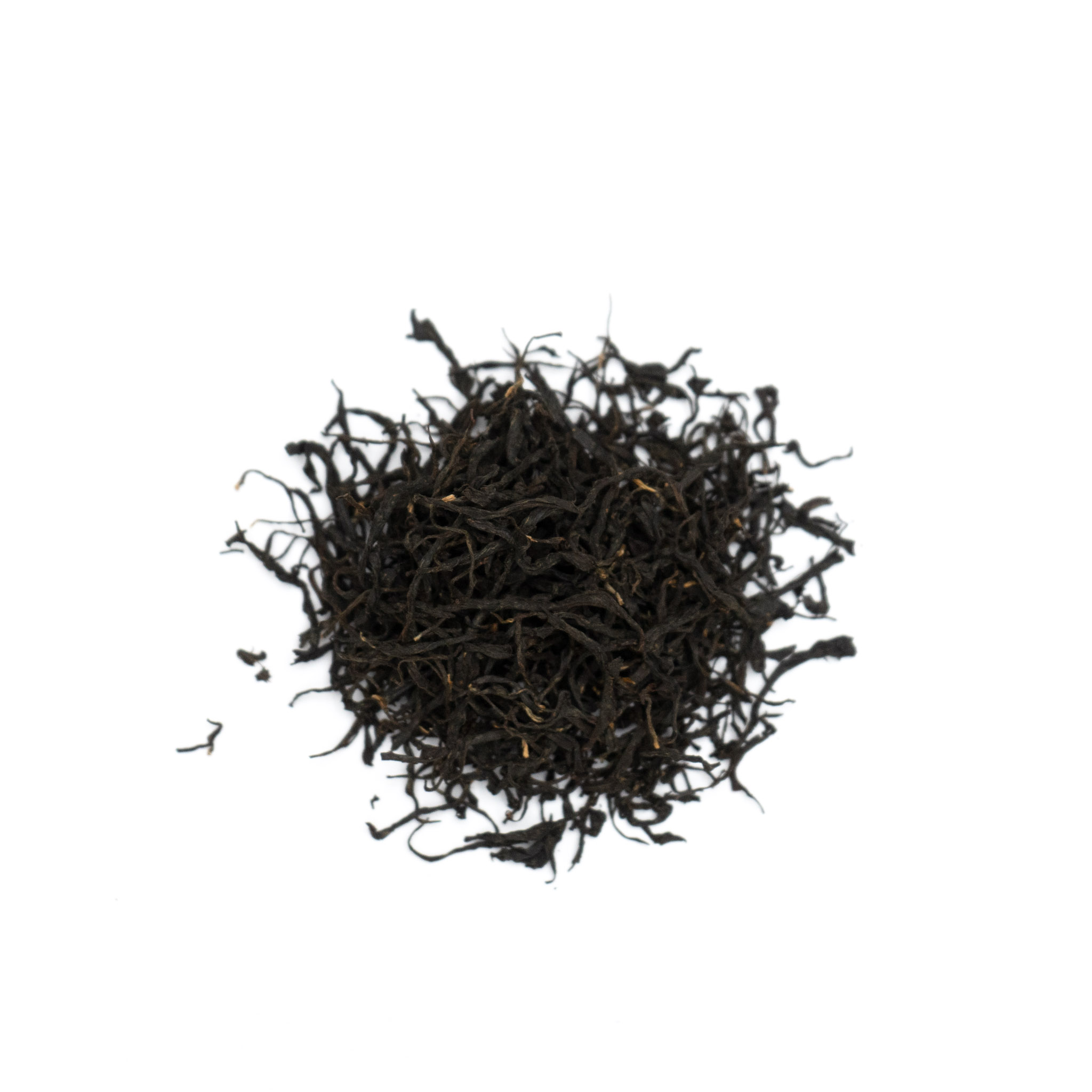
Wild black tea
In keeping with the farming philosophy of this forest farm, this is a very gentle but complex black tea. By not oxidizing to a deep black, Grigol and Guji aim for the lighter tea flavors which better express the terroir of this unique location. The sweet acacia flower aroma and flavor is notable and reminiscent of the rich woodland soil of composting acacia blossom and leaves where the tea bushes flourish.
Silver needle white tea
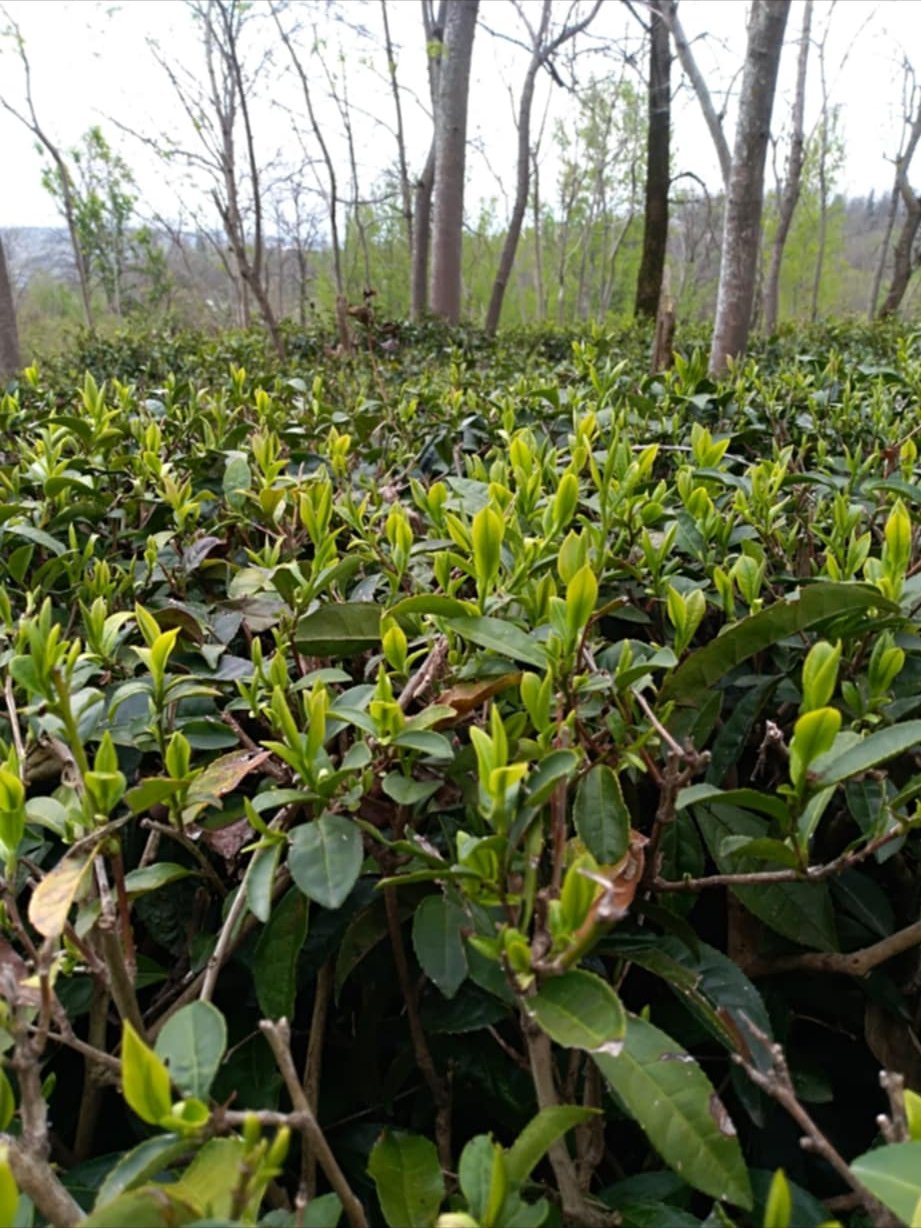
This is an immensely labor intensive tea for its weight, being just the tiny buds, or ‘tips’, harvested before they open into leaves. The fine downy hairs on the buds give a silvery sheen, lending the name to this Chinese-style tea.
Tea tourism and other products
Grigol and Guji are great hosts and love to welcome guests at the family homestead. Visitors can expect the finest Imeretian hospitality and the exquisite serenity of their forest garden – and of course, a round of tasting of some of the hands-down best and most exclusive tea in Georgia. They are also making some experiments with cold-pressed tea seed oil – stay tuned for developments on this!
Grigol and Guja's Story
The tea bushes on the Bitsadze estate were first planted in 1937 by Grigol and Guja's grandparents. The family meticulously cared for the plantation, receiving several awards from the Soviet government for producing far more tea than they were expected to. Like everyone else in the village, they abandoned the plot as the tea industry collapsed in the 1990s, but unlike everyone else, they didn't dig it up and replace it with hazelnuts or blueberries, instead letting it grow wild as a forest of acacia trees overtook the field. After long careers in one thing and another, the brothers decided to go back to their roots and began restoring the bushes in 2014.
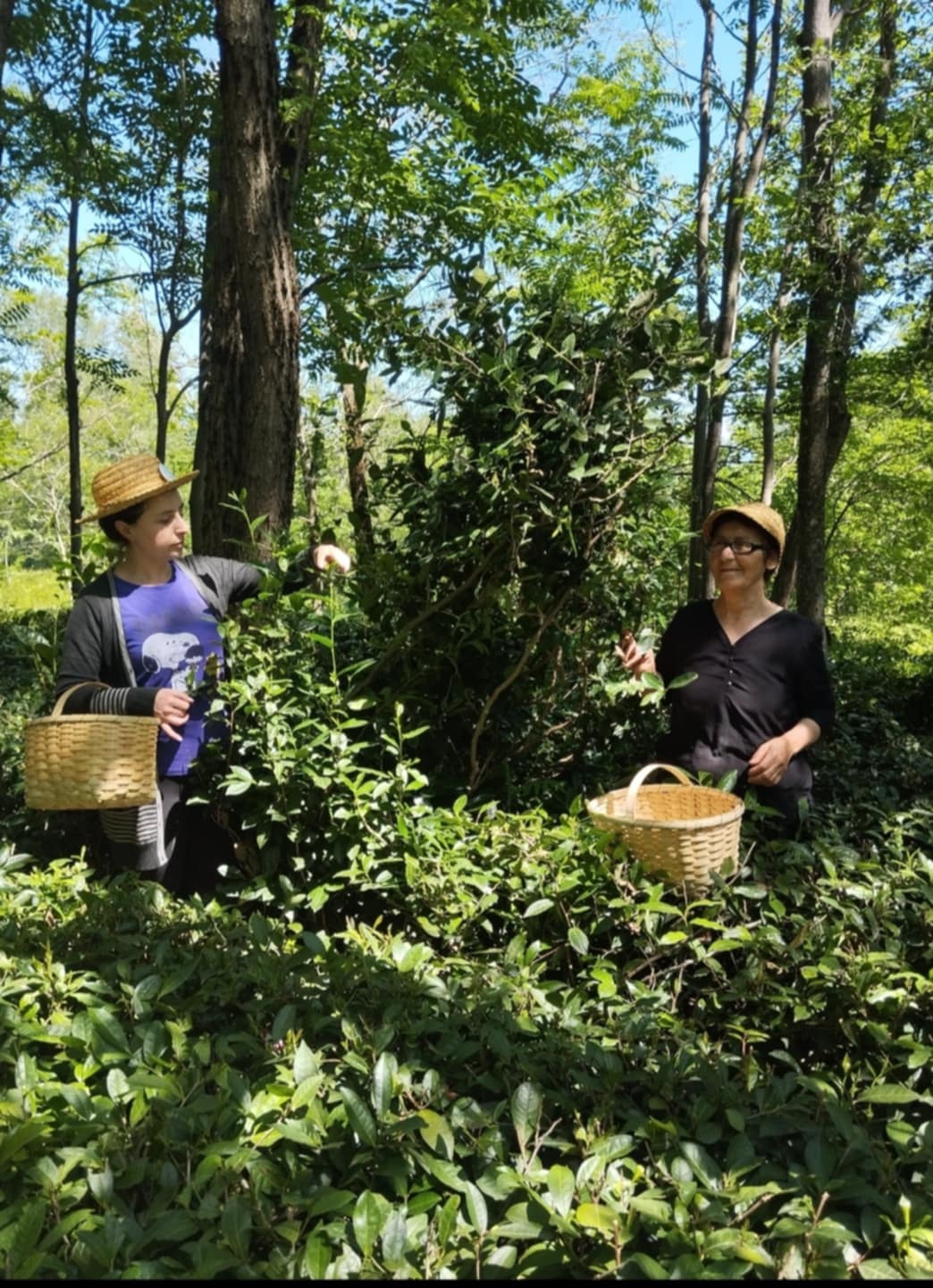
From the beginning, they wanted to make as minimal interventions as possible. Grigol and Guja realized the unique potential of the acacia woodland for creating a unique microclimate for the tea bushes and retained all of it, only clearing out enough to be able to access and harvest from the bushes. The forest cover uniquely balances and regulates the temperature and humidity of the tea plot: it retains warmth in the early spring, allowing the brothers to start harvesting white tea weeks before anyone else in Georgia, and cools it down in the summer, keeping the bushes from being damaged by exposure and providing excellent conditions for tea pluckers to focus on taking the highest quality leaves. The rain of flower petals and other organic litter from the trees creates an ideal compost for the bushes, along with the winter trimmings which are left in place.
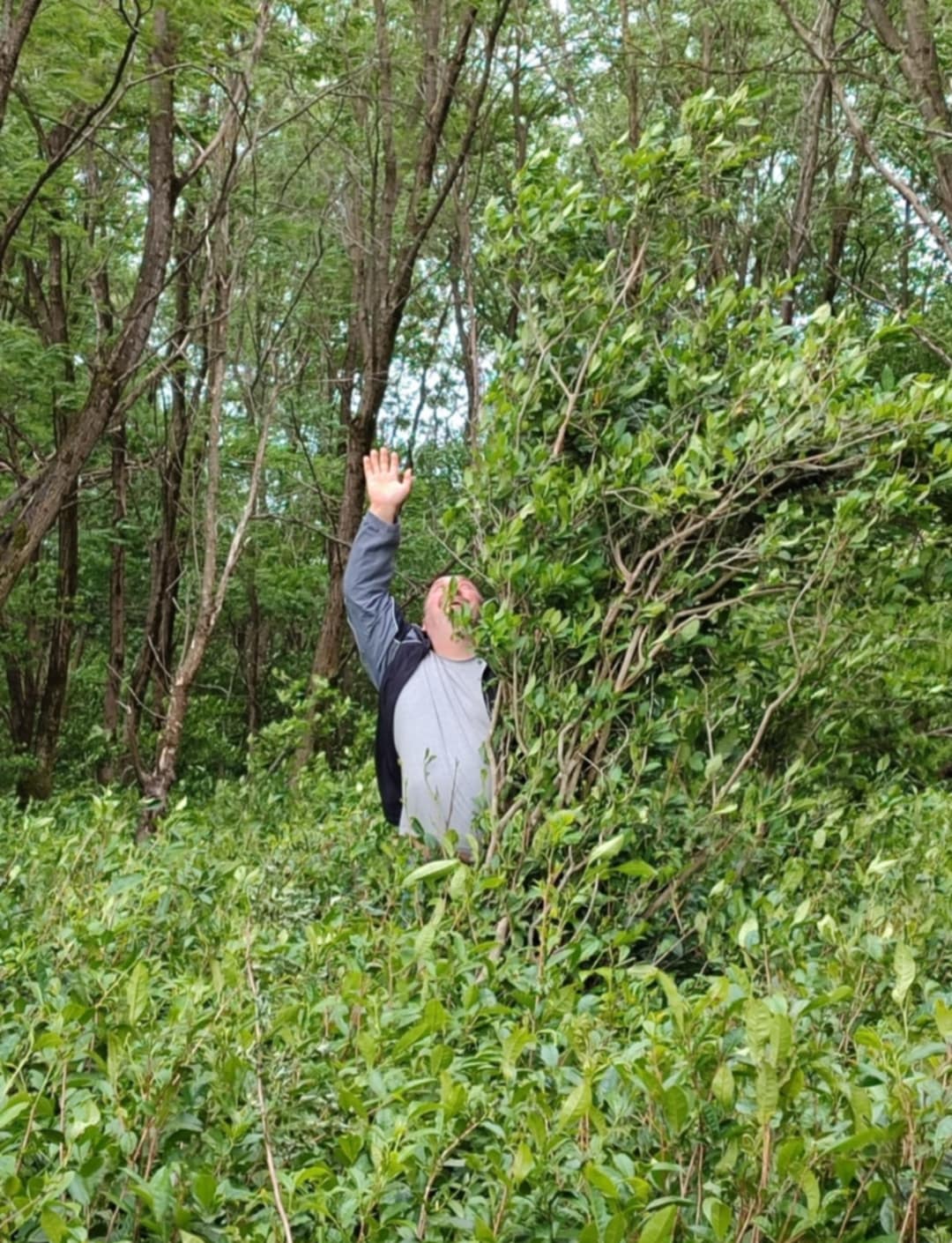
On a smaller second plot, the brothers maintain an even wilder tea patch, where the bushes remain untrimmed, growing exuberantly to their natural tree height. The tea from this patch is especially refined and delicate, and the Bitsadzes process it separately.
The disadvantage of these natural methods is that productivity is much lower than in a traditional plantation, but the brothers don't care. "We would much rather make the best tea we can than make the most tea we can," they tell me. Tea making is a matter of pride and love for them, and it definitely shows – although they don't produce more than half a ton every year, they have repeatedly won awards and first prizes in tea festivals both in Georgia and abroad. They have an organic certification with the German organization Naturland and are members, along with Dato Tenieshvili and Tornike Shekiladze, of the Georgian Organic Tea Producers Association.
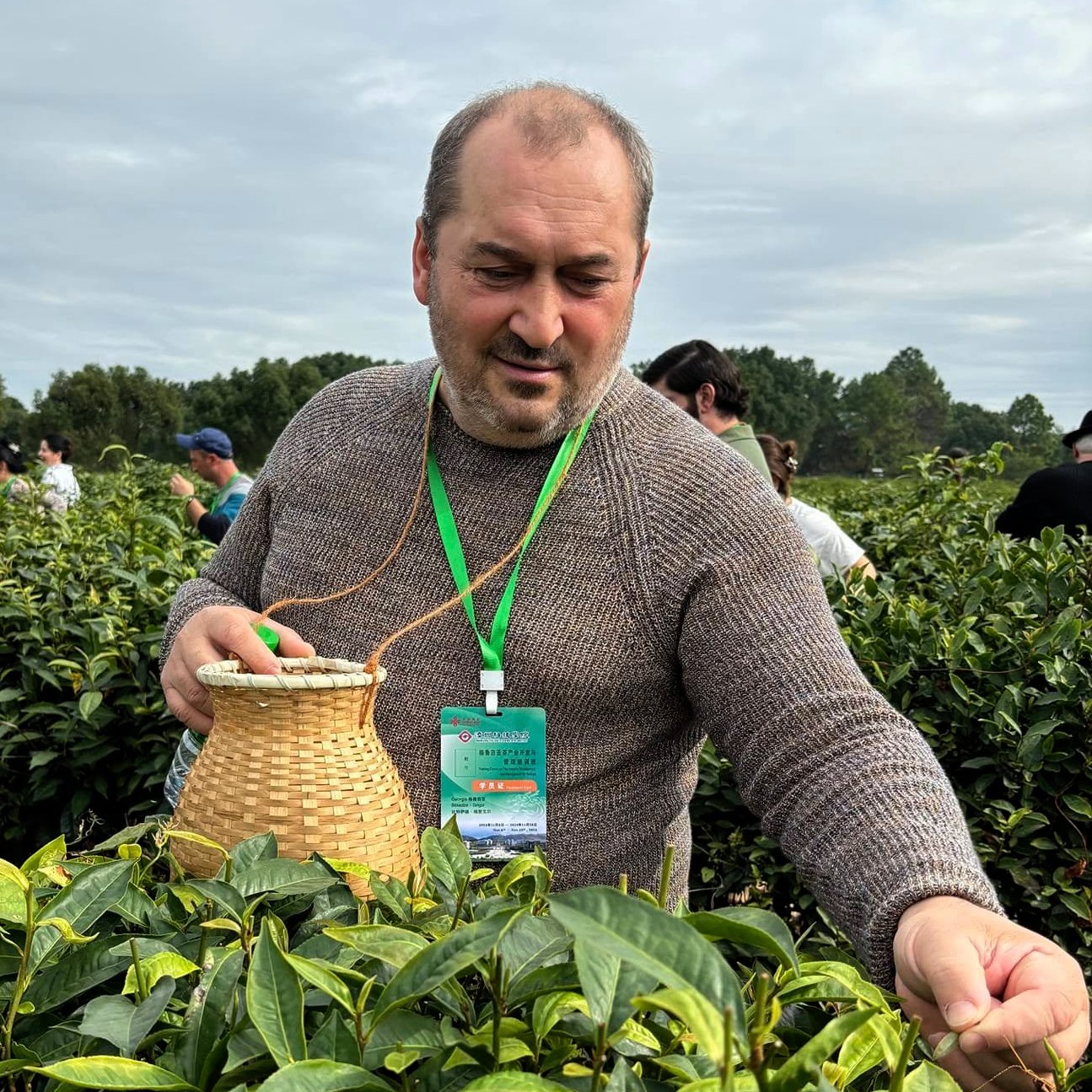
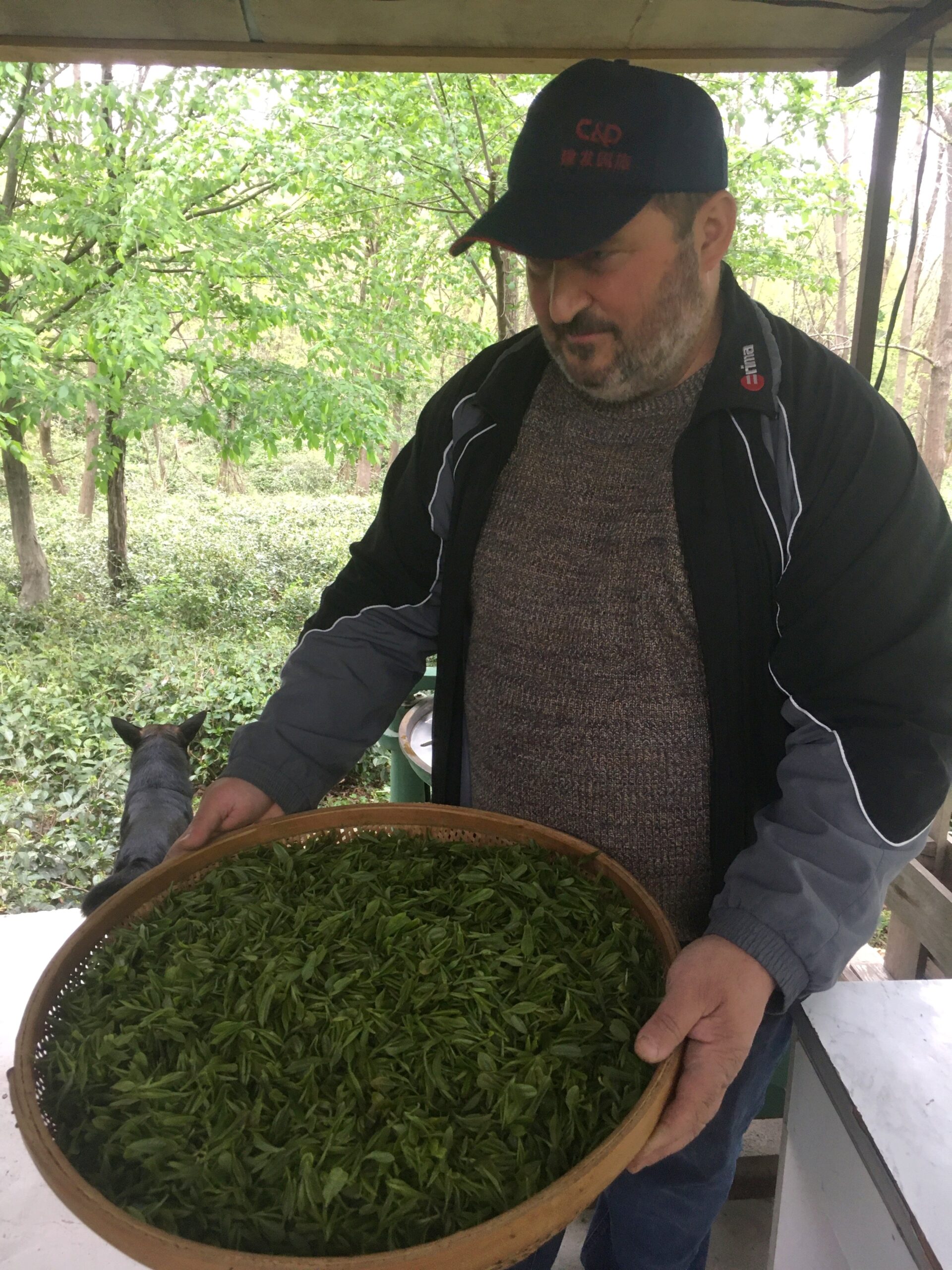
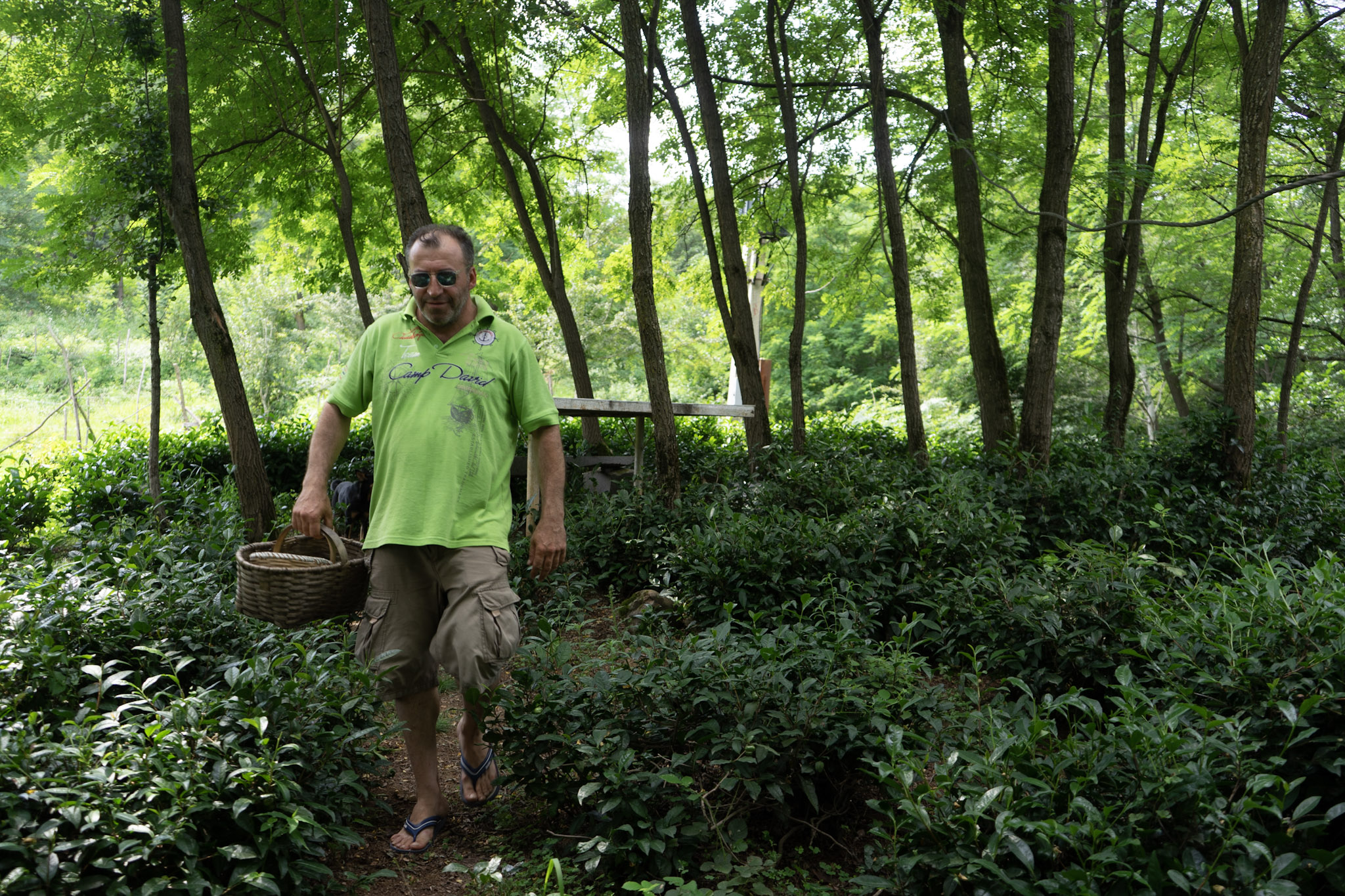
 Grigol with a basket of freshly picked leaf
 The Bitsadzes\' outdoor factory
 Tea bushes thrive in a forested environment
- The tea roller for black tea
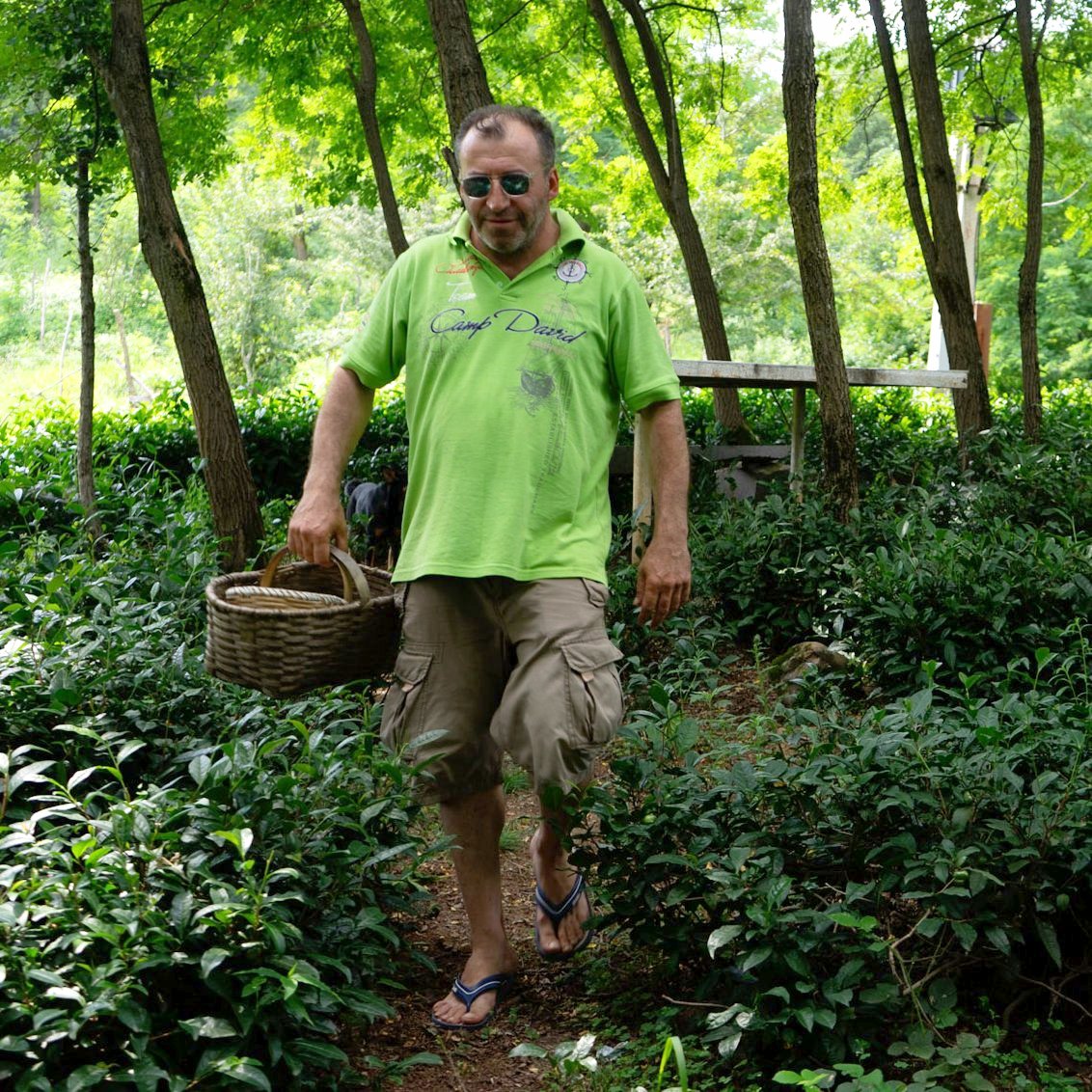
- Guji picking black tea
 Tea plants thriving in a forested environment.
- Fresh buds on the tea bushes
 A wild tea bush, now grown up to tree size
 Harvesting in the tea forest
Images 1, 6, and 7 by Timothy Merkel; images 2-5 by Tom Pinnegar; images 8-10 by Grigol Bitsadze.
All content on this website is copyright of their respective creators. Please do not reuse without permission. Contact the webmaster for more information.